

Agricultural Machinery Shows 2026: The Las Vegas Exhibitor Guide
Shipping a 40,000-pound combine harvester to the Las Vegas Convention Center can cost more in drayage fees than the actual floor space. You already know that exhibiting heavy equipment requires more than just a sharp display; it demands a technical mastery of logistics and rigid floor load limits. This is especially true when preparing for a major agricultural machinery show where every square inch of your footprint must support literal tons of innovation.
Key Takeaways
- Identify high-growth opportunities at the 2026 agricultural machinery show circuit and why Las Vegas is a strategic hub for ag-tech.
- Navigate the complexities of drayage and floor load logistics to control the costs of exhibiting heavy equipment in Nevada.
- Design high-impact island booths that provide 360-degree visibility and ample space for large-scale machinery inspections.
- Secure a vetted exhibit partner with the specialized rigging and installation experience required for heavy-equipment trade shows.
- Maximize your event ROI by bridging the gap between physical equipment demonstrations and seamless digital lead capture.
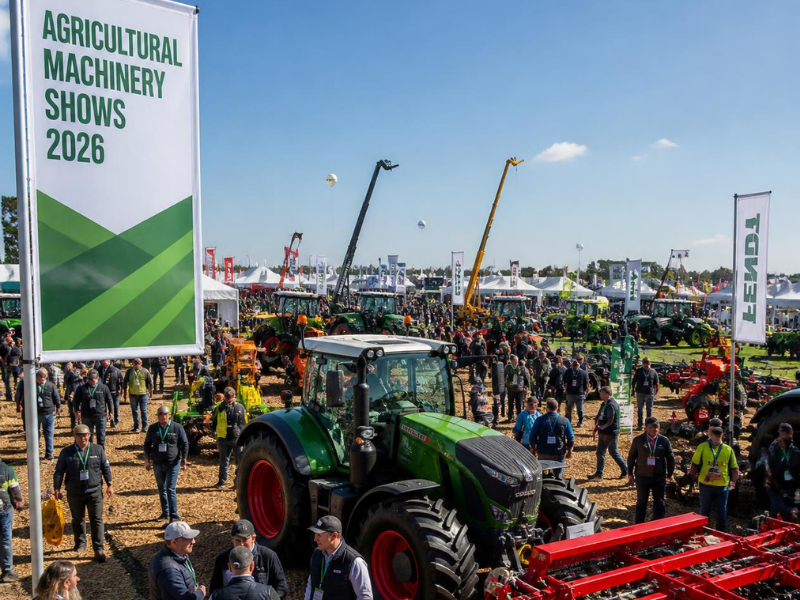
Navigating the 2026 Agricultural Machinery Show Landscape
Trade shows are no longer just rows of tractors and combines. The modern agricultural machinery show is a high-stakes convergence of heavy iron and sophisticated digital ecosystems. In 2026, exhibitors must bridge the gap between mechanical power and autonomous software to capture market share. Success requires a shift in strategy from displaying hardware to demonstrating integrated solutions.
Las Vegas has secured its position as the premier hub for these events. The city offers the specialized infrastructure needed for massive equipment while hosting the global tech talent required for ag-tech summits. Exhibiting at a Tier 1 Las Vegas event yields a higher ROI than smaller regional farm shows. These major events attract decision-makers from the entire global supply chain. While regional shows facilitate local sales, Tier 1 shows drive global partnerships and enterprise-level deals.
The Evolution of Ag-Exhibiting: From Iron to Insights
The history of agricultural machinery has moved from simple hand tools to tractors, and now to fully autonomous fleets. Modern exhibit design must accommodate both physical hardware and immersive digital demonstrations. You can't just park a tractor in a booth anymore; you need to show the data it generates.
Recent data from the Center for Exhibition Industry Research (CEIR) indicates that technology-focused industrial sectors have seen a 3.5% growth in attendance since 2023. This shift forces exhibitors to integrate IoT and AI displays directly into their booths. Visitors want to see the "brain" of the machine as much as the machine itself. Effective displays now use real-time data feeds and augmented reality to show how equipment performs in the field.
Why Las Vegas Dominates the 2026 Ag-Tech Circuit
The Las Vegas Convention Center (LVCC) provides specific infrastructure advantages that other cities struggle to match. Its West Hall expansion offers heavy floor load capacities essential for 50-ton harvesters and construction-adjacent equipment. The facility also features high ceilings and wide bay doors that simplify the move-in process for oversized machinery.
Proximity to major Western US agricultural markets like California’s Central Valley and Arizona's produce hubs makes Las Vegas a logical meeting point for domestic buyers. The Las Vegas Convention and Visitors Authority (LVCVA) has aggressively recruited global ag-tech summits to ensure the city remains the epicenter of innovation. This creates a dense environment of qualified leads and high-value networking opportunities that smaller venues can't replicate.
Major Agricultural and Ag-Tech Events in Las Vegas for 2026
Las Vegas serves as a high-stakes proving ground for heavy equipment and precision farming software throughout 2026. The city's infrastructure handles massive machinery displays and high-bandwidth tech summits with equal efficiency. Exhibitors must choose between massive, demo-heavy outdoor exhibitions and focused, data-driven indoor conferences. Your success depends on matching your product's primary value proposition to the specific venue and audience profile.
Key 2026 Dates for Your Las Vegas Show Calendar
The 2026 calendar features several high-impact events that overlap with the agricultural sector. World of Concrete kicks off the year at the Las Vegas Convention Center (LVCC) from January 20 to January 22, 2026. While primarily a construction show, it attracts a significant number of agricultural professionals focused on rural infrastructure, irrigation, and land clearing equipment. The most critical event for the sector is CONEXPO-CON/AGG, which returns to the LVCC from March 3 to March 7, 2026. This triennial event is the largest gathering of its kind in North America. It functions as a premier agricultural machinery show for manufacturers of earthmoving equipment, large-scale tractors, and heavy-duty utility vehicles. For those focused on the digital side of farming, specialized Ag-Tech and Precision Farming summits are expected to utilize Caesars Forum and Mandalay Bay in the second and third quarters of 2026. These venues offer the sophisticated tech infrastructure required for demonstrating real-time telemetry and AI-driven crop management tools.
Targeting the Right Audience at Las Vegas Conventions
Audience profiles in Las Vegas vary sharply between events. At large-scale machinery shows, you'll encounter the "commercial grower" profile. These attendees prioritize durability, fuel efficiency, and mechanical reliability. Your booth messaging should emphasize total cost of ownership and local serviceability. They want to see the iron in person, often preferring the outdoor "Silver Lot" or "Diamond Lot" demonstrations where they can witness the equipment in motion. In contrast, tech-heavy summits attract "tech investors" and "enterprise farm managers." These professionals are less interested in horsepower and more focused on data integration, scalability, and ROI. To capture their attention, your booth must demonstrate how your software "closes the loop" between field data and the corporate CRM. Before finalizing your floor plan, compare booth options that allow for private consultation areas to discuss these complex integrations. To see how these events fit into the broader city-wide schedule, consult the Las Vegas Trade Shows 2026 Pillar
Overcoming Logistics: Floor Loads and Drayage in Las Vegas
Shipping a 40,000-pound harvester to a Las Vegas agricultural machinery show isn't just a freight challenge. It's a financial and technical puzzle. For most exhibitors, the highest cost on the final invoice isn't the booth space or the carpet. It's drayage. This term refers to the movement of your equipment from the loading dock to your specific booth space. Because Las Vegas trade show contractors charge drayage based on weight, usually per hundredweight (CWT), heavy machinery exhibitors face the steepest entry costs in the industry.
Success at an agricultural machinery show requires a deep understanding of how weight impacts your bottom line. You aren't just paying for the truck to drive to Nevada; you're paying for the specialized union labor and heavy-duty forklifts required to move that equipment across the hall floor. Planning for these "material handling" fees early in your budget cycle is the only way to avoid five-figure surprises during move-out.
Understanding Las Vegas Convention Center Floor Specs
The Las Vegas Convention Center (LVCC) is built for industrial strength, but it has limits. The North and West Halls are the primary zones for heavy equipment because they offer a floor load capacity of 400 pounds per square foot (PSF). While this accommodates most tractors and combines, concentrated pressure points are the real concern. If your machinery uses narrow steel tracks or high-pressure tires, the facility requires you to use steel plating or 3/4-inch plywood to distribute the weight. Failure to provide floor protection can result in immediate fines or a halt to your installation.
Utility coordination is equally vital. If your equipment requires compressed air or high-voltage power to demonstrate moving parts, you must finalize these plans months in advance. The LVCC uses floor ports for utility access. Positioning a massive piece of equipment directly over a required power drop is a common mistake that leads to expensive "re-spotting" fees. Always overlay your equipment footprint with the hall's utility map before confirming your booth layout.
Managing Drayage and Material Handling Costs
Las Vegas labor rules are strict regarding who can touch your equipment. Generally, show site labor must perform the unloading and "spotting" of any machinery that cannot be driven onto the floor under its own power. Spotting is a precision process where riggers guide your equipment into its exact final position. To minimize these costs, ensure your equipment arrives in a "show-ready" state. Any assembly required on the dock increases your labor hours and total drayage spend.
- Use Modular Components: Reduce the weight of your non-essential display elements. Use tension fabric graphics and aluminum frames instead of heavy wood custom builds.
- Ship Crated vs. Uncrated: Uncrated machinery often incurs a "special handling" surcharge. Whenever possible, secure smaller implements on skids or in crates to qualify for standard rates.
- Consolidate Shipments: Avoid multiple small deliveries. Most contractors charge a minimum weight per shipment, so consolidating parts onto a single bill of lading saves money.
By focusing on weight reduction in your booth structure, you can offset the unavoidable costs of displaying your primary heavy equipment. Efficient logistics management ensures your budget goes toward lead generation rather than just moving metal.
Designing High-Impact Booths for Agricultural Machinery
Big iron requires big thinking. Exhibiting at an agricultural machinery show demands a shift from traditional booth design toward industrial engineering. You aren't just showing a product; you're managing thousands of pounds of steel and complex hydraulics. Success starts with footprint selection. Island layouts, specifically those 20x20 or larger, are the gold standard. They provide 360-degree access to the equipment, allowing buyers to inspect everything from tire treads to engine components without feeling cramped against a neighbor's wall.
Integrating trade show graphics requires a balanced approach. High-resolution imagery should complement the hardware, not compete with it. Use backlit fabric displays to showcase the machinery in action on the farm while the physical unit sits front and center. This visual context helps bridge the gap between a static display and real-world performance.
Weight management is a practical reality. Standard carpet padding won't survive a 15-ton harvester. Professionals use reinforced interlocking flooring or custom-built decking systems. These structures distribute the weight across the concrete floor of the convention center, preventing surface damage and ensuring a level, stable environment for client demonstrations.
The "Open Floor" Strategy for Heavy Equipment
Sightlines are your most valuable asset when displaying tractors or harvesters. If a visitor can't see the cab from thirty feet away, you've likely lost their interest. Arrange your equipment at angles that draw the eye toward the primary functional parts. Place tech kiosks and private meeting zones in the quiet corners of the booth, away from the heaviest foot traffic. Sightline optimization for heavy equipment displays is the strategic arrangement of machinery to ensure unobstructed views of key mechanical features from every primary approach.
Material Selection for Rugged Yet Polished Displays
Choose materials that reflect the durability of the field. Industrial metals, textured wood finishes, and diamond-plate accents create a professional atmosphere that feels familiar to growers and dealers. Lighting is equally critical. Use high-intensity LED spots to highlight chrome finishes and mechanical articulations, making the equipment pop against the hall's ambient light. Because equipment sits low, use overhead hanging signs to signal your presence across the vast convention hall. Large-scale graphics suspended from the ceiling ensure your brand is visible from the entrance of the agricultural machinery show, even in a crowded environment.
Finding Vetted Exhibit Builders for Las Vegas Ag Shows
Exhibiting at an agricultural machinery show requires more than a standard modular display. You're dealing with massive weight loads, specialized rigging, and complex logistics that can drain a budget if handled by an inexperienced team. Success depends on partnering with a builder that understands the structural demands of industrial equipment. High-performance exhibitors don't leave these details to chance.
Exhibitorly simplifies this search by vetting every builder in our network for technical proficiency. We verify their history with heavy-equipment installs and their ability to manage large-scale floor plans. This vetting process removes the guesswork. It ensures your partner can handle the load-bearing requirements of a 20,000-pound combine or a 40-foot tillage tool without compromising safety or aesthetics. Our platform provides a transparent marketplace where you can compare portfolios and past performance data to find the right fit for your 2026 goals.
Why Local Las Vegas Expertise Matters for Ag-Exhibitors
Local builders provide a distinct advantage at the Las Vegas Convention Center (LVCC) and Mandalay Bay. They navigate these venues daily and understand the specific drayage routes that minimize move-in delays. Working with a local shop also eliminates the extreme costs of shipping heavy booth components across the country. According to LVCVA data, Las Vegas is one of the most efficient cities for trade show logistics, but only if you have a partner who knows the local labor rules.
Storage is another critical factor for recurring exhibitors. Local facilities allow you to keep your assets in Nevada, where builders can provide year-round refurbishment. This keeps your display looking pristine for every 2026 event without the wear and tear of constant transit. You can browse vetted builders who specialize in these large-scale installs to secure your 2026 dates and reduce your overhead.
Streamlining Your 2026 RFP Process
A precise Request for Proposal (RFP) is your best tool for cost control. Your document should include specific floor load requirements and electrical needs for live equipment demos. It should also detail any overhead rigging points for high-visibility signage. Providing this data upfront prevents "scope creep" and ensures the quotes you receive are accurate and comparable.
Exhibitorly matches these project requirements with qualified contractors instantly. This creates a seamless bridge between your vision and a builder's technical execution. Use this checklist for your next RFP:
- Total weight and dimensions of all machinery displayed.
- Compressed air or high-voltage power requirements for demos.
- Specialized flooring needs to protect the venue surface from tracks or tires.
- Storage and maintenance plans for multi-show seasons in Las Vegas.
Our platform helps you close the loop between design and reality. You can get curated quotes from Las Vegas exhibit builders to maximize your event ROI and ensure a stress-free install for your next agricultural machinery show.
Secure Your Competitive Edge for 2026
Success at a 2026 agricultural machinery show in Las Vegas requires precise planning and technical expertise. You must account for massive floor loads and complex drayage schedules long before your equipment hits the loading dock. High-impact booth design is only effective if it's supported by a builder who understands the structural demands of heavy machinery. According to LVCVA data, Las Vegas remains a premier global destination for large-scale industrial events, making early preparation essential for securing top-tier labor and prime floor space.
Eliminate the stress of manual vendor vetting and reduce your logistical risk. You need partners who have a proven track record with heavy-equipment installations and deep knowledge of Nevada's specific venue requirements. Streamline your RFP process and get multiple quotes through one efficient platform. This ensures your 2026 strategy is built on a foundation of verified expertise rather than guesswork. Focus on your leads while the experts handle the technical heavy lifting.
Find and compare vetted Las Vegas booth builders for your 2026 ag show to connect with exhibit houses that specialize in heavy-equipment logistics and floor load management. Your most successful show season starts here.