

Ultimate Guide to Trade Show Booth Design
The trade show industry is visual. Exhibitors are evaluated quickly, often within seconds, based on how their booth looks, feels, and functions on the show floor. Trade Show Booth Design sits at the center of this process. It shapes attention, credibility, engagement, and how confident an exhibitor feels about an investment that is often one of the most expensive marketing channels they participate in.
The trade show industry is visual. Exhibitors are evaluated quickly, often within seconds, based on how their booth looks, feels, and functions on the show floor. Trade Show Booth Design sits at the center of this process. It shapes attention, credibility, engagement, and how confident an exhibitor feels about an investment that is often one of the most expensive marketing channels they participate in.
In practice, many booth builder decisions are driven by design quotations. Exhibitors compare renderings, layouts, and concepts and choose the option that looks most aligned with their expectations. This approach is natural. Design is visual, tangible, and easy to react to.
What has changed is the environment in which these decisions are made.
With AI-generated concepts, modern rendering tools, and endless online inspiration, most trade show booth designs now look plausible. Clean layouts, modern materials, and polished visuals are no longer rare. The challenge is no longer whether a booth can be designed, but whether a design will actually work for a specific show, audience, and objective.
This guide is written for exhibitors navigating that reality. It explains how to evaluate trade show booth design beyond appearances, how to think about layout and usability, and how to choose booth builders with greater confidence, especially in a visual-first, AI-saturated industry.
Why Trade Show Booth Design Matters
Trade show booth design is not decoration. It shapes how people move, where conversations begin, and how long visitors stay. A well-designed booth supports both quick interactions and longer, more meaningful discussions. A poorly designed one creates friction, even if it looks impressive in a rendering.
Effective exhibition booth design:
- Communicates what you do clearly and quickly
- Invites the right audience into the space
- Supports natural conversation flow
- Helps booth staff engage without strain
This is why booth design decisions affect not just the show-floor experience, but also how exhibitors evaluate ROI after the event.
How Exhibitors Commonly Choose Booth Builders
Most exhibitors begin by requesting design quotations. They review visuals, compare styles, and shortlist builders based on how compelling the concepts appear.
Design quotations are useful. They show aesthetic direction, brand interpretation, and overall structure. What they rarely show is how the booth behaves under real conditions.
Design renderings typically do not reveal:
- How traffic behaves during peak hours
- Where bottlenecks form
- How staff will realistically use the space
- How flexible the design is across different booth sizes or future shows
Practical questions to ask when reviewing design concepts:
- Where do people naturally enter this booth when it’s busy?
- Which areas are designed for quick conversations versus longer ones?
- What happens to this layout if ten people arrive at once?
- Which parts of this design can realistically be reused for future shows?
These questions help exhibitors move beyond “does this look good?” to “will this actually work?”
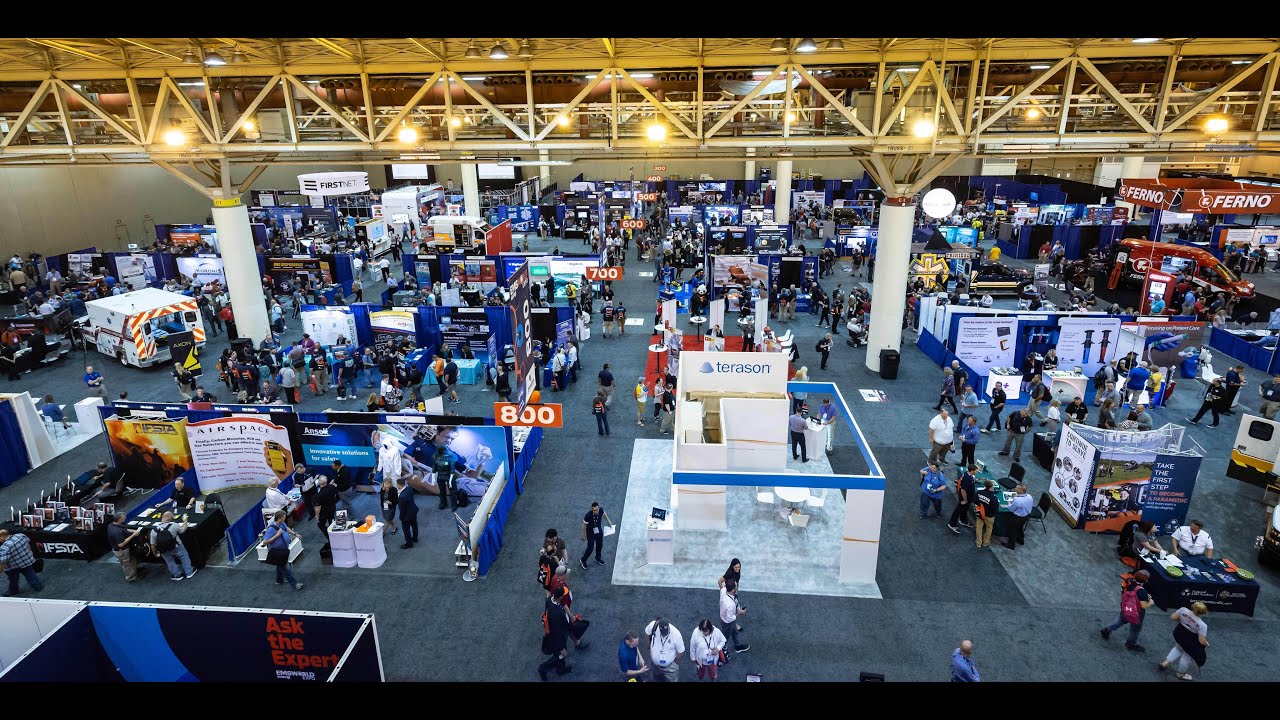
Understanding Trade Show Booth Types
Before evaluating any design, exhibitors need to understand the booth type they are working with, as this directly affects layout and usability.
Inline Booths (10×10, 10×20)
Best suited for clarity and simplicity. In small footprints, simple trade show booth ideas usually outperform complex structures that limit movement.
Corner booths
Offer visibility from two aisles, but require careful layout to avoid blocked entry points.
Peninsula booths
Provide strong exposure, but come with shared sightlines and stricter design constraints.
Island booths
Offer maximum freedom and maximum responsibility. Layout, messaging, and flow matter more than visual impact alone.
Strong exhibition stand design always adapts to the booth type.
Trade Show Booth Layout: Designing for Flow
Trade show booth layout is one of the most important and most underestimated elements of booth design.
Effective layouts:
- Feel open from the aisle
- Offer clear entry points
- Separate casual traffic from longer conversations
- Avoid visual and physical clutter
Micro-example:
In a 10×20 inline booth, placing a large counter directly across the front can block entry entirely. Moving that counter back just a few feet often doubles usable interaction space and increases dwell time.
Layout decisions should be evaluated before visual details or finishes.
Custom vs Modular Trade Show Booth Design
Custom trade show booth design is often assumed to be the best option, but that isn’t always the case.
Custom booths make sense when:
- You exhibit frequently at major shows
- Brand differentiation is critical
- You require dedicated demo or meeting spaces
Modular or hybrid booths work well when:
- You attend multiple shows with different footprints
- Budget flexibility matters
- Reuse and scalability are priorities
A simple decision lens:
If the booth will realistically be used only once or twice, modular or rental solutions often make more sense. If it will be used repeatedly over several years, custom or hybrid designs usually deliver better long-term value.
Booth Branding and Visual Hierarchy
On a crowded show floor, clarity matters more than cleverness.
Effective booth branding prioritizes:
- A clear headline that explains what you do
- Readability from 10–15 feet away
- A logical hierarchy: brand, category, offer, proof
If visitors need to ask what your company does, the booth design is not doing its job.
Lighting, Materials, and Practical Constraints
Lighting, materials, and height restrictions shape how a booth performs.
- Lighting should support visibility and comfort, not distract
- Materials should balance durability, cost, and transport needs
- Height and line-of-sight regulations quietly limit what is possible
These constraints are part of good design—not obstacles to it—and should be discussed early in the process.
The Booth Design Process: What Exhibitors Should Expect
A realistic trade show booth design process typically includes:
- Defining goals, audience, and budget
- Developing multiple design concepts
- Refining layout, messaging, and materials
- Build planning and logistics
- On-site installation and execution
- Teardown, storage, and reuse planning
Understanding this process helps exhibitors evaluate timelines, costs, and builder capabilities more accurately.
The Gap Between Design and Show-Floor Reality
Many booths fail not because they are poorly designed, but because they are poorly matched to real conditions.
Common issues include:
- Designs optimized for photos, not people
- Layouts that collapse under crowd pressure
- Technology that distracts rather than supports conversation
Designs should always be evaluated with real human behavior in mind.
Why Comparing Multiple Design Options Leads to Better Decisions
Because design sits at the center of booth builder selection, exhibitors benefit from seeing multiple interpretations of the same brief.
Comparing designs helps:
- Surface trade-offs
- Reduce bias toward the first concept
- Clarify priorities around layout and usability
This is where Exhibitorly fits naturally. By giving exhibitors access to multiple design options and quotations tied to specific trade shows, Exhibitorly supports better, earlier, and more confident decision-making.
Choosing the Right Booth Builder
Strong booth builders go beyond visuals. They explain how designs behave under real conditions, understand venue logistics, and communicate trade-offs clearly.
When evaluating builders, exhibitors should look for:
- Experience with similar shows and booth sizes
- Transparency around scope, reuse, and logistics
- Willingness to discuss layout performance, not just aesthetics
The Ultimate Guide to Hiring a Booth Builder explores these criteria in more detail.
For builders, platforms like Exhibitorly also help by creating cleaner briefs, more comparable scopes, and better-fit projects—reducing misalignment on both sides.
Best Practices for Trade Show Booth Design
Across industries and booth sizes, effective booth design consistently follows a few principles:
- Design for people, not photos
- Keep layouts open and flexible
- Prioritize clarity over novelty
- Plan for reuse across shows
- Make key decisions early
These principles matter more than trends.
Trade Show Booth Design for Different Shows and Industries
A booth designed for a high-traffic B2B technology expo will differ from one designed for a niche consumer event. First-time exhibitors also have different needs than brands exhibiting ten times a year.
There is no single “best” trade show booth design—only designs that are appropriate for their context.
Common Trade Show Booth Design Mistakes
Some mistakes appear repeatedly:
- Choosing designs based on renderings alone
- Finalizing decisions too late
- Over-investing in visuals and under-investing in layout
- Failing to compare builders or design approaches
Most of these mistakes stem from a limited perspective, not a lack of effort.
Planning Booth Design Across Multiple Trade Shows
Exhibitors who plan booth design across a calendar of events benefit from:
- Lower costs through reuse
- More consistent branding
- Reduced last-minute pressure
Where Exhibitorly Fits in the Booth Design Process
Because design is central to booth builder selection, having access to multiple design options and quotations improves decision quality.
Exhibitorly enables exhibitors to compare booth builders and design approaches for specific trade shows, helping them evaluate fit, feasibility, and value earlier in the planning process.
The goal is not to replace creative judgment, but to support it with comparison and context.
Closing Perspective: Making Better Booth Design Decisions
Trade show booth design remains central to the exhibiting process because it shapes nearly every outcome on the show floor. What has changed is not the importance of design, but the conditions under which design decisions are made.
In an environment where most designs look good, effectiveness depends on evaluation. Layout, flow, usability, and execution matter as much as visual appeal. Exhibitors who compare design options, ask how designs perform in real conditions, and choose builders with relevant experience consistently make stronger decisions.
This guide is meant to support that approach, one grounded in clarity, context, and comparison. When booth design is treated as a practical decision rather than a purely visual one, it becomes a more reliable driver of trade show success.