
Ultimate Guide to Trade Show Marketing
Trade show marketing is one of the few channels where brand, sales, and real relationships all happen at once. You are not competing for clicks or inbox space—you are standing face‑to‑face with people who can actually become your customers.
Trade show marketing is one of the few channels where brand, sales, and real relationships all happen at once. You are not competing for clicks or inbox space—you are standing face‑to‑face with people who can actually become your customers.
The problem? Many exhibitors still treat trade shows like a checklist instead of a trade show marketing strategy. Booths get booked at the last minute, messaging is rushed, leads are scanned and forgotten, and ROI is a guess instead of a number.
This ultimate guide to trade show marketing is here to fix that. Whether this is your first event or your fiftieth, you will see how to build a trade show marketing plan that covers pre-show marketing, trade show promotion ideas, trade show lead generation, and a post-show follow-up strategy that actually turns conversations into revenue. Along the way, you will also see where Exhibitorly fits into making smarter, less stressful exhibitor marketing decisions.
If you want trade shows to feel intentional instead of chaotic, you are in the right place.
What Trade Show Marketing Really Is (and What It Isn’t)
Trade show marketing is not just showing up with a booth and hoping for foot traffic. It is not about how big your space is or how flashy your graphics look.
At its core, trade show marketing is about intention:
- Why are you attending this specific show?
- Who do you want to meet?
- What do you want them to remember?
- What should happen after the conversation ends?
When those pieces are clear, everything else—booth design, trade show promotion ideas, staffing, and follow‑up—starts to fall into place.
Trade Show Marketing Strategy: Start With Strategy, Not Logistics
One of the biggest exhibitor marketing mistakes is jumping straight into logistics. Teams book space, hunt for a booth builder, and order swag—then later ask, “What are we actually trying to achieve?”
A strong trade show marketing strategy answers a few simple questions up front:
- Is this show meant for lead generation, partnerships, brand awareness, or all three?
- Who are we trying to attract to the booth?
- What action do we want them to take?
- How will we define success once the show is over?
When strategy comes first, every exhibitor marketing decision becomes easier—and much more defensible.
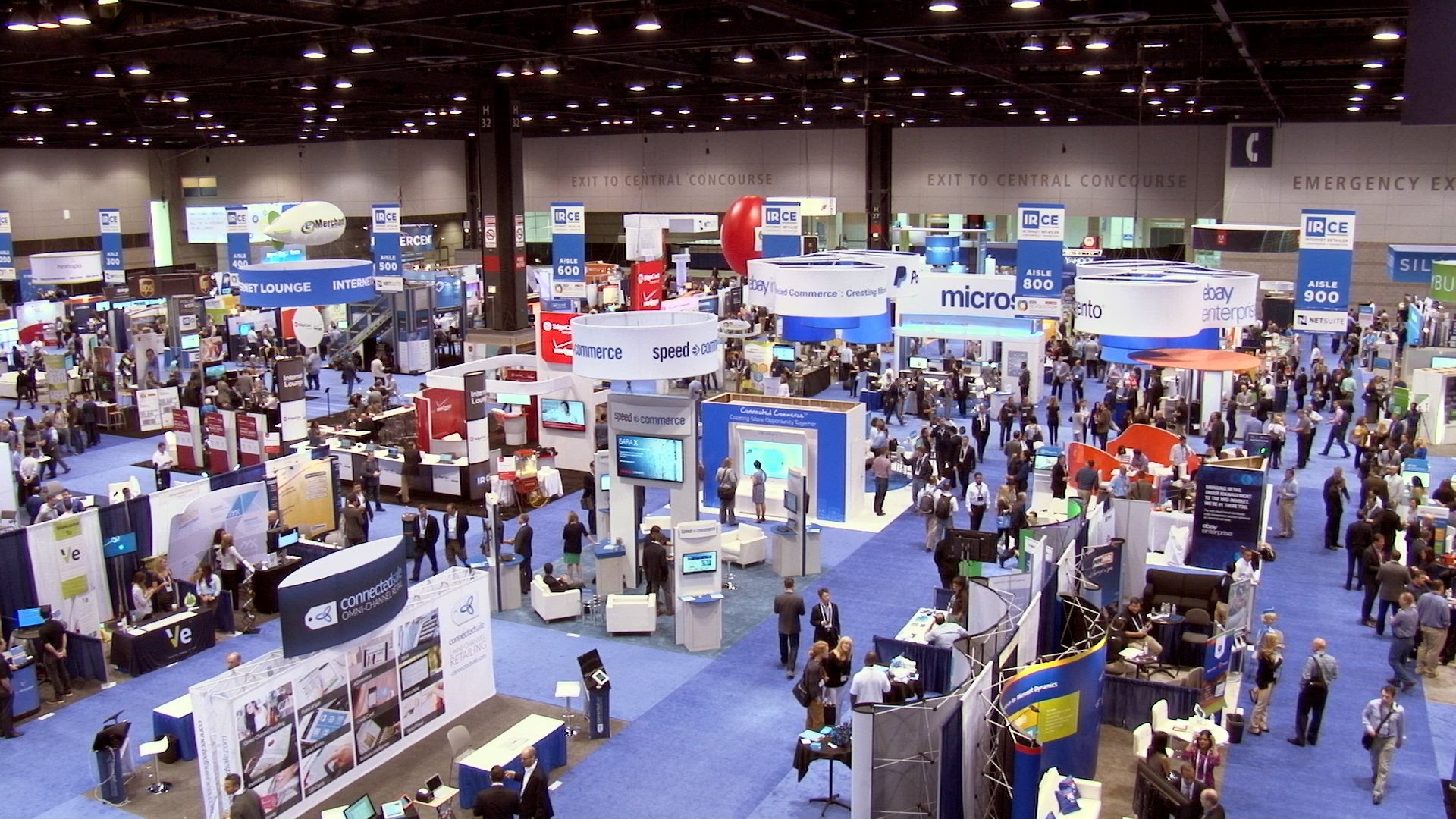
Turning Strategy Into a Trade Show Marketing Plan
A trade show marketing plan does not need to be complicated, but it does need to be written down. Think of it as your single source of truth for the event.
At a minimum, your trade show marketing plan should cover:
- Goals and success metrics
- Budget allocation
- Key deadlines and milestones
- Booth design and messaging direction
- Pre-show marketing and on‑site trade show promotion ideas
- Lead handling and post-show follow-up strategy with clear ownership
This is also where booth decisions become critical. The booth is not just a structure—it is your primary marketing asset on the show floor. Choosing the wrong builder, too late, forces compromises that hurt your entire experience.
This is exactly where Exhibitorly helps: instead of scrambling or relying only on referrals, exhibitors can compare vetted booth builders early, side by side, and choose based on fit—not urgency.
Pre Show Marketing: The Work That Pays Off Most
If there is one phase exhibitors consistently underinvest in, it is pre-show marketing. Yet this is the phase that determines whether people intentionally come to your booth—or just happen to walk by.
Effective pre-show marketing is about making sure the right people know:
- You will be there
- You are worth visiting
- There is a clear reason to talk to you
High‑impact pre-show marketing and trade show promotion ideas include:
- Targeted email campaigns to prospects and customers with clear calls to action
- LinkedIn posts and 1:1 outreach from sales and founders
- Paid social ads tied to the event, targeting attendees or lookalike audiences
- Booking meetings or demos in advance and confirming them before the show
When pre-show marketing is done well, your booth does not feel random—it feels expected.
Booth Design: Trade Show Promotion Ideas That Stop People
On a busy show floor, you only get a few seconds to explain what you do. Most attendees decide whether to stop or keep walking—almost instantly.
Your booth needs to answer three questions at a glance:
- Who is this for?
- What do they do?
- Why should I care?
Good booth design is not about being the flashiest. It is about clarity and conversion. Open layouts, strong and simple messaging, and intentional spaces for conversation usually outperform overly complex designs and gimmicks.
Choosing the right booth builder is a major exhibitor marketing decision. Builders who understand the specific show, venue, and audience can design for flow, visibility, and real engagement—not just aesthetics. Exhibitorly makes it easier to find those builders without weeks of research.
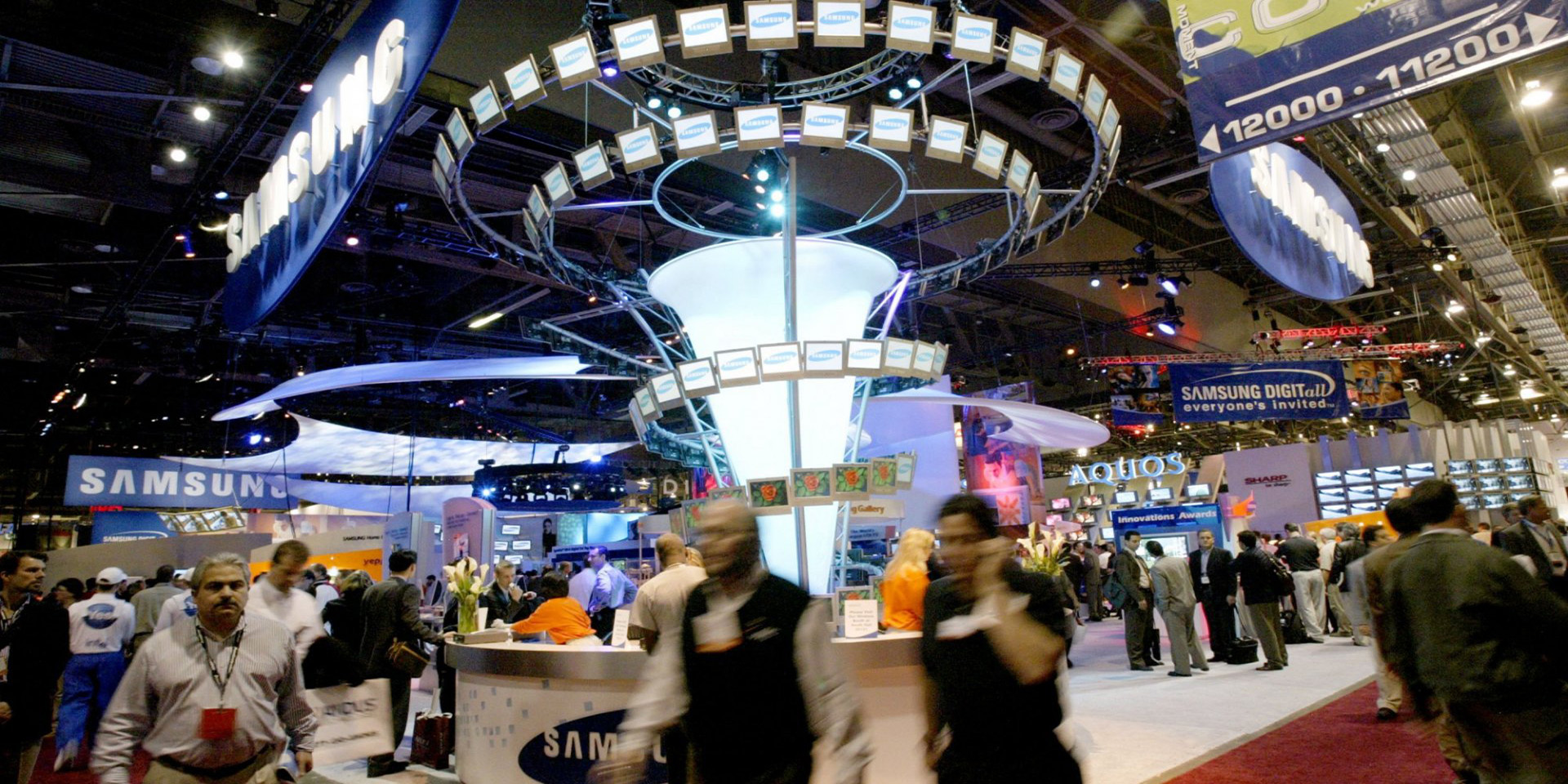
Trade Show Promotion Ideas That Support Conversations
Once the show starts, trade show promotion ideas should support conversations, not distract from them. The goal is not to entertain everyone; it is to engage the right people and give them a reason to stay.
Effective on‑site trade show promotion ideas include:
- Live demos that solve a real, specific problem
- Short educational sessions or micro‑talks at your booth
- Interactive displays or tools that invite participation
- Thoughtful giveaways that reinforce your brand and message
Trade show marketing works best when promotion is aligned with your trade show marketing strategy and drives meaningful conversations—not just foot traffic.
Trade Show Lead Generation: Fewer, Better Leads
Badge scanning alone is not a trade show lead generation strategy. A big list of unqualified contacts almost always underperforms a smaller list of well‑qualified prospects with context.
Trade show lead generation works best when booth staff are trained to have short, meaningful conversations and capture more than just an email address. Strong lead capture includes:
- Simple qualifying questions about role, challenges, and timelines
- Notes about what was discussed and promised
- Clear tagging (hot, warm, nurture, partner, press, etc.)
- Fast syncing into your CRM or follow‑up tools
In trade show marketing, fewer, better leads almost always beat “more names on a spreadsheet.”
On‑Site Execution: Where Your Trade Show Marketing Plan Goes Live
Even the best trade show marketing plan can fall apart if on‑site execution is weak. For the days of the event, your booth staff are your brand.
Strong on‑site execution focuses on:
- Booth staff training, roles, and talk tracks
- Consistent messaging across everyone on the team
- Clear calls to action for different lead types
- Energy, posture, and approachability throughout the day
When your team is aligned and confident, your trade show marketing strategy turns into the kind of experience attendees remember—and act on.
Post Show Follow Up Strategy: Where Trade Shows Are Won or Lost
Most trade show ROI does not happen on the show floor. It happens in your post-show follow-up strategy.
Timing matters. Following up within 48–72 hours keeps conversations fresh and signals professionalism. Waiting a week or two almost guarantees lower response rates and lost momentum.
An effective post-show follow-up strategy:
- References the specific conversation or session you shared
- Is personalized, not generic “nice to meet you” blasts
- Matches the lead’s level of interest and next step (demo, proposal, content, or nurture)
- Is coordinated between sales and marketing, so nothing falls through the cracks
This is the phase where many exhibitors drop the ball—and where disciplined teams quietly win.
Measuring What Actually Matters in Trade Show Marketing
Trade show success is not about how busy your booth feels. It is about the numbers that tie your trade show marketing plan back to real business outcomes.
Important metrics include:
- Cost per qualified lead
- Meetings booked or demos completed from the show
- Pipeline influenced or created by the event
- Revenue closed in the months that followed
When these metrics are tracked consistently, trade show marketing becomes easier to justify, optimize, and scale year over year.
Common Exhibitor Marketing Mistakes to Avoid
Even experienced teams run into the same exhibitor marketing traps:
- Choosing shows without clear audience alignment
- Rushing booth design and builder decisions
- Over‑investing in giveaways and under‑investing in messaging
- Collecting leads without a clear post-show follow-up strategy
- Not comparing booth builders before committing
Most of these issues come from late decisions and lack of a trade show marketing plan. Planning earlier—and using tools like Exhibitorly—removes much of that pressure.
Where Exhibitorly Fits Into Your Trade Show Marketing Strategy
Exhibitorly exists to make one of the hardest exhibitor marketing decisions easier: choosing the right booth builder for the right show.
Instead of relying only on referrals or endless searches, exhibitors can:
- Compare multiple vetted booth builders in one place
- Request quotes tied to specific trade shows and booth sizes
- Evaluate options based on experience, location, and budget
- Make confident decisions earlier in the planning process
Better booth decisions lead to better trade show marketing outcomes. It really is that simple.
Exhibitor Marketing Tips You Can Use Next Show
To bring this ultimate guide to trade show marketing into your next event, keep these quick exhibitor marketing tips in mind:
- Decide on your trade show marketing strategy at least a few months before the show.
- Lock in your booth builder early so design supports your goals, not just your logo.
- Treat pre-show marketing as mandatory, not optional.
- Train your team on trade show lead generation and your post-show follow-up strategy.
- Review your trade show marketing plan after the event and improve it for the next show.
Used this way, trade show marketing stops feeling like a one‑off event and starts functioning as a repeatable, measurable growth channel.
Planning Your Next Trade Show?
Trade show planning doesn’t stop with one event. The smartest exhibitors look ahead mapping upcoming trade shows, understanding where their audience will be, and choosing the right events to invest in.
Visit Exhibitorly to explore upcoming trade shows, see what’s coming up next, and start planning which events make the most sense for your brand. Exhibitorly helps you prepare earlier, compare booth builders, and make more confident exhibiting decisions before deadlines creep up.
Continue Reading
If you’re planning your broader trade show strategy, you may also find these guides helpful: