

What to Bring to a Trade Show: Complete Packing Checklist for Exhibitors & Attendees
What to bring to a trade show is one of the most common questions professionals ask before attending their first event. Even experienced exhibitors sometimes forget essential items. Trade shows involve long hours, constant conversations, and fast-moving schedules, so arriving prepared can make a significant difference in how productive your day becomes.
This 2026 trade show packing checklist explains exactly what to bring to a trade show, covering essential items for attendees and exhibitors, along with practical tips and common packing mistakes to avoid before you arrive on the show floor.
Why Packing Right for a Trade Show Matters More Than You Think.
Trade shows are not regular business days. You will be on your feet for six to nine hours on hard convention floors. You will shake hundreds of hands, have dozens of conversations, collect materials, navigate enormous venues, and often attend evening events after the show floor closes.
The Consumer Electronics Show (CES) at the Las Vegas Convention Center spans over 2.9 million square feet of exhibit space. SHRM Annual Conference 2026 at the Orange County Convention Center draws over 23,000 HR professionals across multiple halls. These are not environments where you improvise your way through the day.
Pack right, and you walk in confident. Pack wrong, and you spend the morning hunting for a charger and the afternoon nursing blisters.
What Attendees Should Bring to a Trade Show
1. Registration and Access Documents
Your badge or digital registration confirmation. Most major shows — including InfoComm 2026, BIO International Convention, and SuperZoo 2026 — use pre-registered badges or QR codes. Have your confirmation accessible before you arrive, not buried in your email while standing in a registration line.
A photo ID. Some shows require ID verification at badge pickup. Always have it with you.
The official show app, downloaded and logged in. Floor maps, session schedules, and exhibitor directories live inside the app. Download it at home the night before. Convention WiFi is slow and unreliable — do not try to set up an app on the floor.
A printed or saved offline floor map. Apps crash and batteries die. Having a backup floor map — even a screenshot — takes thirty seconds to prepare and can save twenty minutes of confusion.
2. Tech and Power Essentials
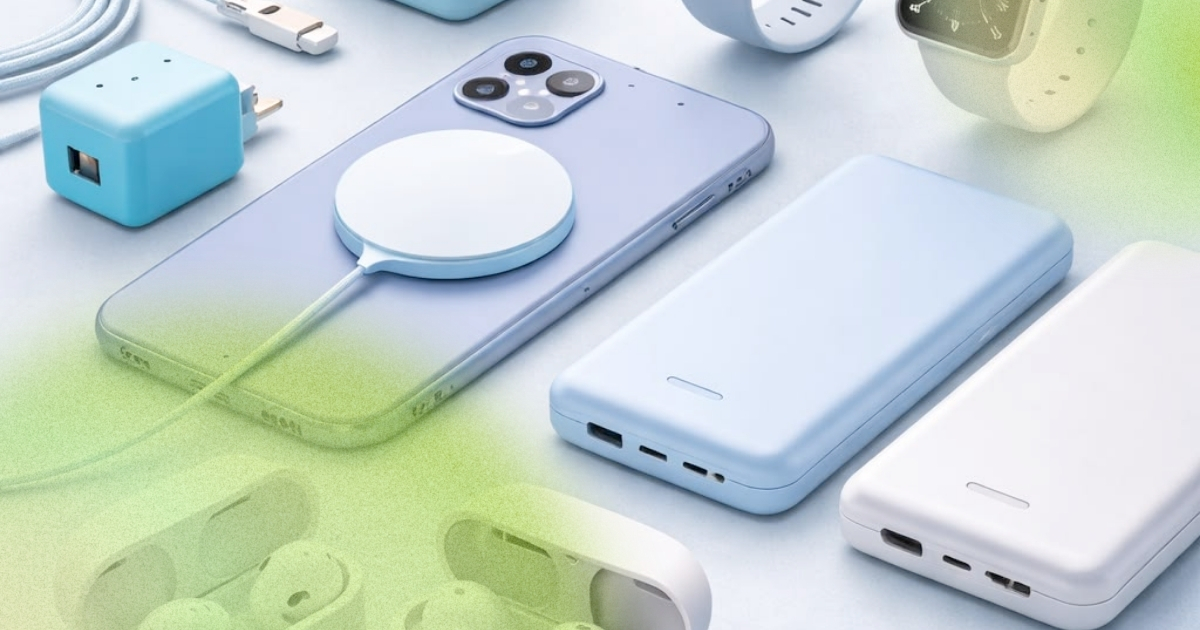
A portable power bank (10,000 mAh minimum). This is the single most important item most first-time attendees forget. You will use your phone all day for navigation, photos, badge scanning, LinkedIn connections, and messaging. Convention centers are notoriously poor for phone charging. Bring a bank. Charge it the night before.
Charging cables for every device you carry. USB-C, Lightning — whatever you need. Bring the physical cable, not just the power bank.
Earbuds. Convention floors are loud. If you are attending educational sessions, taking calls between the floor and the lobby, or traveling to and from the venue, earbuds are essential.
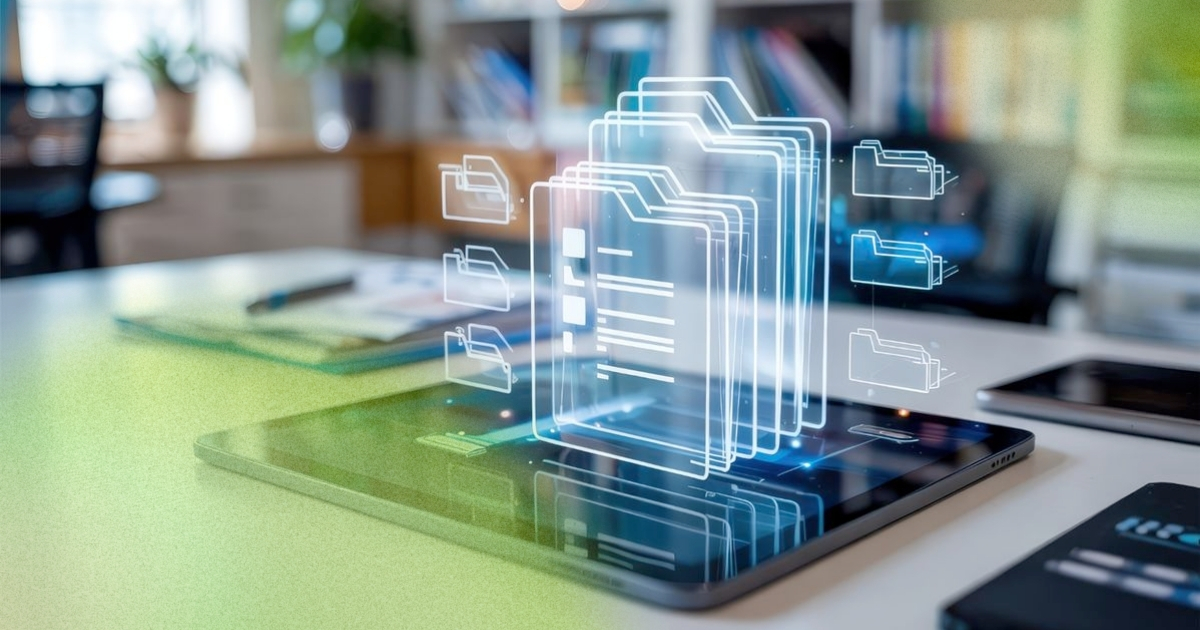
A lightweight laptop or tablet if you need it. If you are attending working sessions or need to reference presentations, bring a lightweight device. If you genuinely do not need it, leave it at the hotel — you will carry it all day.
3. Comfort and Physical Essentials
Comfortable, already broken-in shoes. Not new shoes. Not shoes that felt comfortable for two hours last week. Shoes you have worn for a full day and know support you on hard floors. This is the number one regret of first-time trade show attendees, without exception.
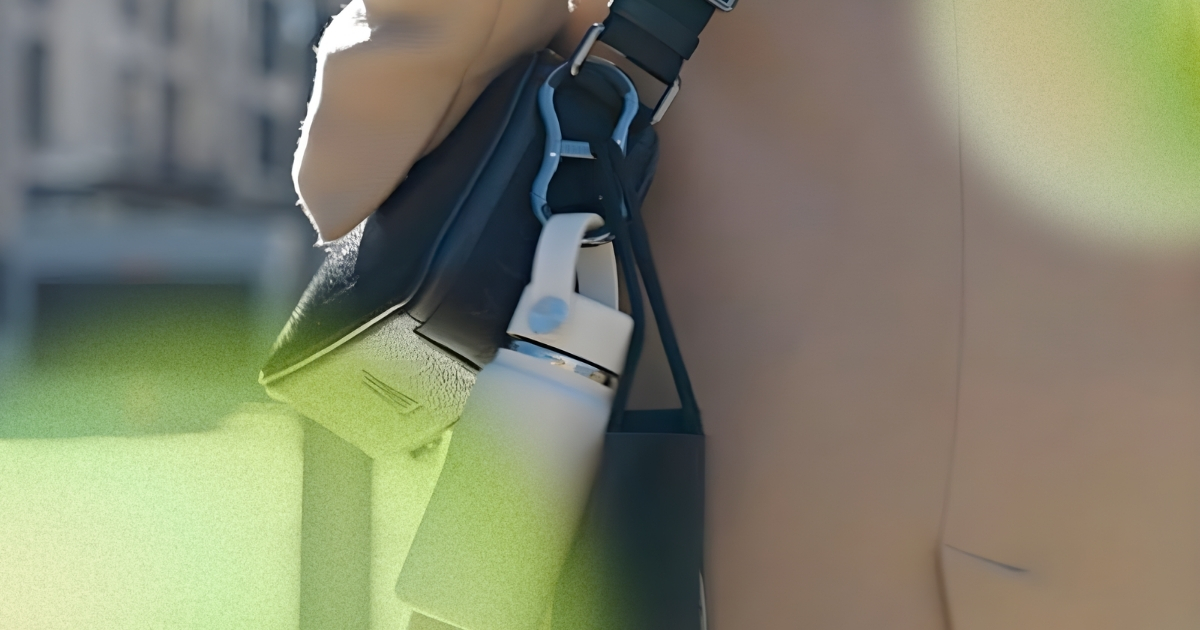
A lightweight backpack or crossbody bag. You will accumulate materials, giveaways, brochures, and your own items throughout the day. You need hands-free carrying capacity that is comfortable for six or more hours. A crossbody bag or a slim backpack works better than a briefcase for floor walking.
A refillable water bottle (32 oz minimum). Convention centers are heavily air-conditioned and dry. You will be talking far more than usual. Venue water is expensive. A refillable bottle is one of the cheapest, highest-impact items on this list.
Snacks. Convention food is expensive, slow, and often underwhelming. An energy bar or two in your bag keeps your energy and focus steady in the afternoon when the floor gets tiring.
Blister plasters. Even with good shoes, long days on hard floors catch people off guard. A few plasters in a side pocket costs almost nothing and can save your afternoon.
Mints or gum. You will be in close conversations all day. Enough said.
4. Networking Essentials
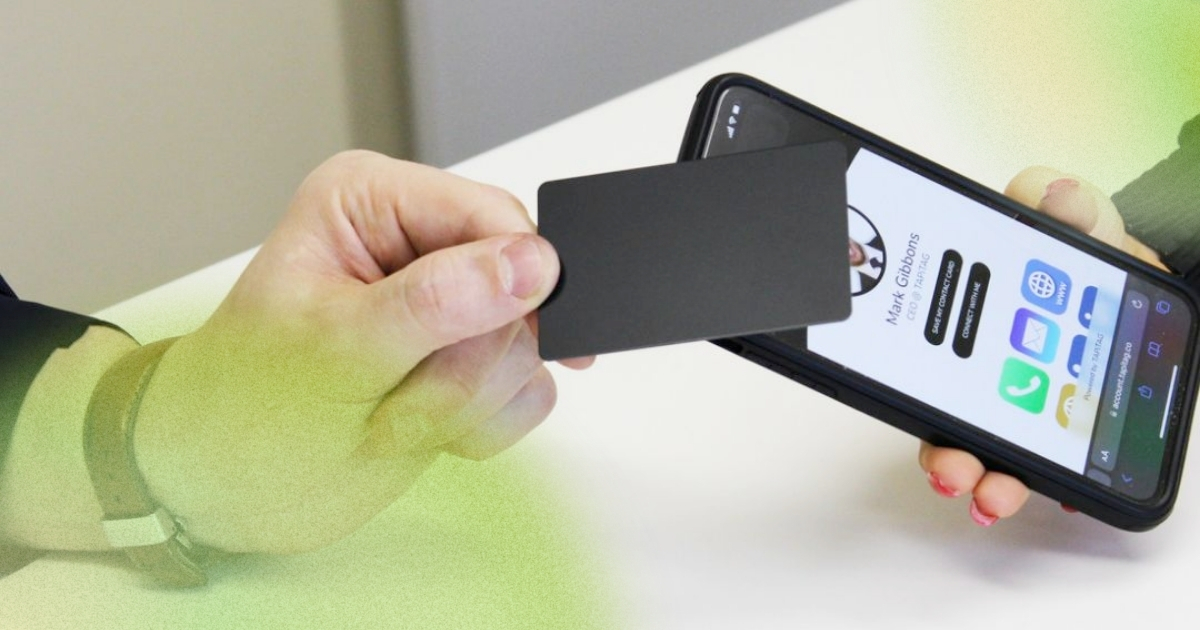
Business cards and/or your LinkedIn QR code. At most B2B trade shows, cards still circulate. At tech-forward shows, LinkedIn QR codes are increasingly common. The safest approach is to bring both — a slim stack of cards and your LinkedIn profile QR ready on your phone.
A notepad or note-taking app ready to open. When a conversation sparks an idea or a demo surprises you, capture it immediately. Do not rely on memory at the end of an eight-hour day.
A clear goal written down before you leave. This sounds obvious but most people skip it. Before you leave for the venue, write down three specific things you want to accomplish. Without a goal, you will walk the floor for hours and leave feeling like you wasted the day.
What Exhibitors Should Bring to a Trade Show
Exhibitors need everything attendees need — plus a second layer of booth-specific essentials. Exhibitorly connects exhibitors with professional booth builders who handle the heavy structural logistics, but your personal and operational items are your responsibility on show day.
5. Booth Operation Must-Haves
The exhibitor manual, read before you arrive. Every show provides one. It contains rules, deadlines, contractor contacts, and move-in instructions specific to your show. Do not skim it. Read it fully before show week.
Contact numbers for your booth builder and general contractor. Saved in your phone before you leave for the venue. If something goes wrong during setup, you need these immediately — not after ten minutes of searching emails.
Lead capture device or app, set up and tested. Most shows offer badge scanning apps or hardware rentals. Have yours set up, logged in, and tested before your first visitor arrives. A lead capture system that breaks during the show is a painful and avoidable problem.
Brand collateral and giveaway items — more than you expect to need. Business cards, brochures, product samples, branded giveaways. Running out of collateral on day one is a common mistake. Bring at least 20–30% more than your estimate.
Extra graphics or backup signage if shipping allows. A spare table card, small backup banner, or replacement graphic panel can save a presentation if something gets damaged during freight.
6. The Booth Emergency Kit
Every exhibiting team should pack a small emergency kit. These items solve problems that would otherwise stop your setup cold:
- Gaffer tape — the exhibitor’s most essential tool
- Zip ties — for managing cables, securing loose elements
- Scissors and box cutter
- Permanent markers and extra pens
- Safety pins
- Pain relief (ibuprofen or paracetamol)
- Small first aid kit with plasters
- Stain remover pen — for the inevitable coffee incident
This kit fits in a small pouch and takes five minutes to assemble. Pack it for every show, no exceptions.
7. Exhibitor Personal Essentials
Food and water for the entire booth team. Booth staff often cannot leave to get food during show hours. Pack snacks, protein bars, and water for each team member. Arrange lunch coverage so no one is standing hungry at a booth for six hours.
A multi-port USB charger for team devices. Booth power is often limited and allocated specifically to display equipment. A multi-port charger keeps your team’s phones and tablets running throughout the day.
Comfortable shoes — especially for multi-day shows. Booth staff stand longer than attendees. Consider a second pair of comfortable shoes to change into on day two.
Cushioned insoles inside dress shoes make a significant difference across a three-day show.
A backup demo device with content cached offline. If your demo requires a phone or tablet, bring a backup. Convention WiFi is unreliable. Download all demo content locally the night before the show — do not depend on streaming anything on the floor.
Trade Show Packing: Do’s and Don’ts
Do’s
- Do pack the night before, not the morning of. Morning rushing leads to forgotten items. Lay everything out the evening before and check it against this list.
- Do charge everything fully the night before. Power bank, laptop, tablet, earbuds, demo devices. Everything.
- Do bring more collateral than you think you need. Running short of business cards or brochures on day one is avoidable with five minutes of extra packing.
- Do keep your most-used items in an easily accessible outer pocket. Badge, phone, business cards, and lip balm should not require unpacking your bag every time you need them.
- Do label your bags and equipment clearly. Convention venues are large and hectic. Labels on bags, cases, and equipment avoid mix-ups and speed up freight if you are shipping materials.
Don’ts
- Don’t bring brand-new shoes. Already covered above — but worth repeating because so many people ignore this and regret it by 2 pm.
- Don’t bring a bag that requires two hands to carry. Your hands need to be free for handshakes, business card exchanges, phone use, and carrying materials.
- Don’t forget the show app at home. Trying to download and log in to the official app while standing in a crowded registration line is a painful start to the day.
- Don’t bring more than you can comfortably carry all day. Overpacking is as problematic as underpacking. If you cannot carry it comfortably for eight hours, leave it at the hotel.
- Don’t rely on the convention center WiFi for anything critical. Not your demo, not your lead capture backup, not your floor map. Have offline backups for everything mission-critical.
Quick Reference: The Complete Packing Checklist
Every attendee — bring this:
- Registration confirmation / badge QR code
- Photo ID
- Official show app (downloaded and logged in)
- Offline floor map (screenshot or printed)
- Portable power bank (10,000 mAh+) and cables
- Earbuds
- Comfortable, broken-in shoes
- Lightweight backpack or crossbody bag
- Refillable water bottle (32 oz+)
- Snacks
- Blister plasters
- Mints or gum
- Business cards and/or LinkedIn QR code
- Notepad or note app ready
- Three goals written down
Exhibitors — add these:
- Exhibitor manual (read fully before arrival)
- Booth builder and GC contact numbers saved
- Lead capture device or app (set up and tested)
- Brand collateral — 20-30% more than estimated
- Backup graphics or signage
- Booth emergency kit (tape, zip ties, scissors, markers, safety pins, first aid)
- Multi-port USB charger for team devices
- Food and water for full booth team
- Backup demo device with content cached offline
- Second pair of comfortable shoes (for multi-day shows)
Finding the Right Booth Builder Starts Before You Pack
Packing the right items handles the day-of. Finding the right booth builder handles everything before that. Exhibitorly makes it easier to find and compare vetted exhibit builders for the specific show you are attending — from SHRM 2026 to SuperZoo, InfoComm, BIO International, and dozens more. Instead of starting your builder search from scratch, you compare qualified options in one place and get quotes fast.
Most experienced booth builders book out 8–12 weeks before major shows. If you are planning to exhibit, start your search early at exhibitorly.com.