20 Trade Show Booth Ideas That Attract Visitors at Trade Shows in 2026
The right trade show booth ideas can be the difference between a packed booth and an empty one. Most attendees decide whether to stop or keep walking within the first few seconds of seeing a display — which means your booth has to earn attention before anyone reads a single word of your messaging.
20 Trade Show Booth Ideas That Attract Visitors at Trade Shows in 2026
Quick Answer: What Trade Show Booth Ideas Actually Work?
The booth ideas that consistently drive the most traffic combine three things: strong visual presence (visible from 30+ feet away), an interactive or participatory element, and a clear, single-sentence value proposition. Demonstrations, games, charging stations, and lounge seating all work — but only when they are built around a reason for visitors to stop and stay.
A successful trade show booth usually combines three elements:
• Visibility — the booth can be seen from across the aisle
• Activity — demonstrations, games, or conversations happening inside the booth
• Clarity — visitors understand what the company does within a few seconds
Why Booth Design Determines Who Stops and Who Keeps Walking
Exhibition halls at major US trade shows — the Las Vegas Convention Center, Orange County Convention Center, McCormick Place — can host thousands of exhibitors across multiple halls. Attendees walk for hours. Decision fatigue is real.
A booth that relies on printed banners and a table at the front will be invisible in that environment. The booths that attract visitors are the ones that give attendees a reason to pause — something happening, something to do, or something they immediately need. Every idea in this list is built around one of those three principles.
20 Trade Show Booth Ideas That Drive Foot Traffic
1. Live Product Demonstration Area
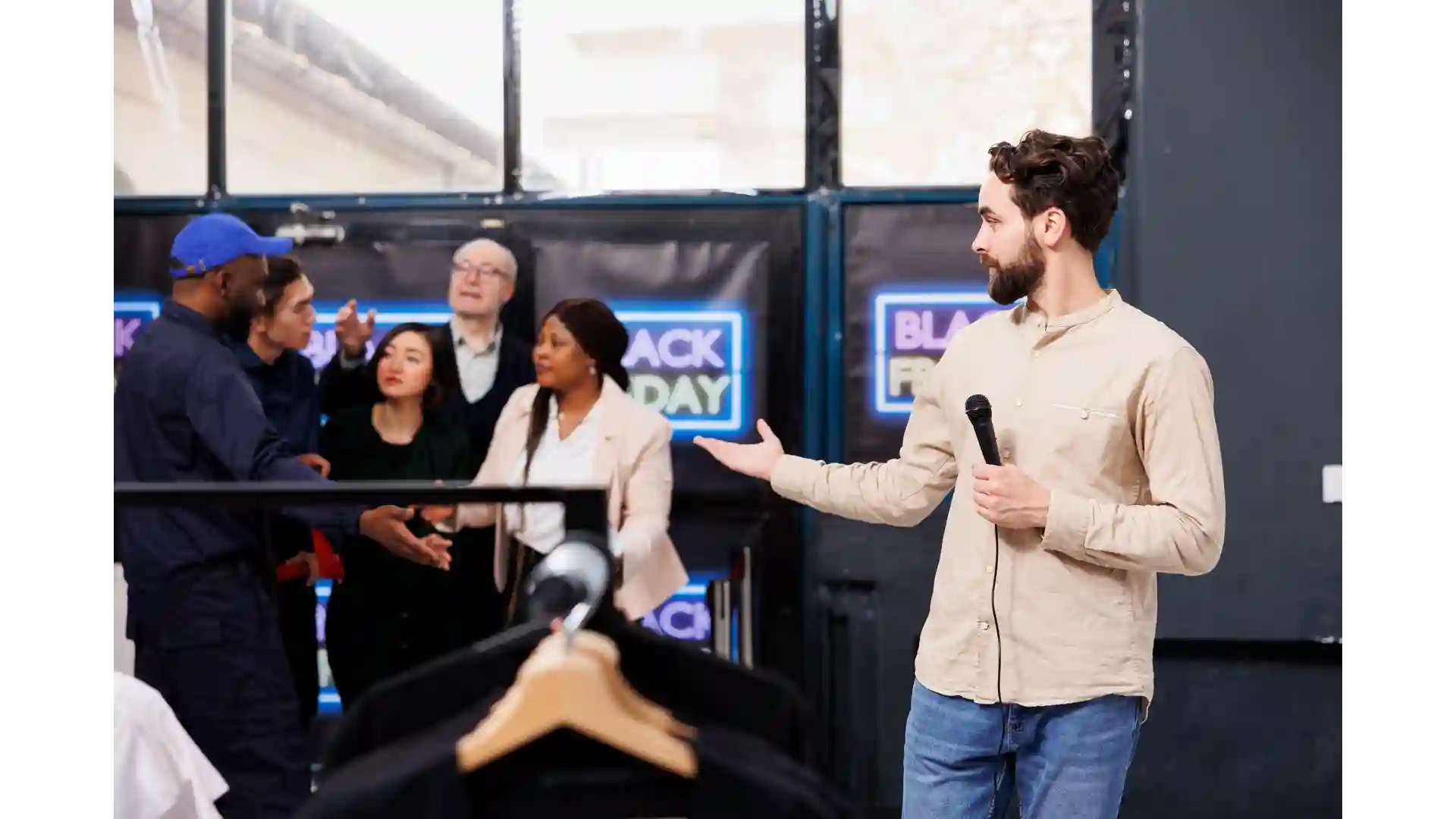
Nothing stops foot traffic like watching something happen. A dedicated demo area where staff run continuous product demonstrations — short, repeatable, and timed to run every 10 to 15 minutes — creates constant movement inside the booth. That movement signals activity to everyone walking past.
Keep demonstrations under five minutes at busy shows. Visitors have limited time and will not commit to a long presentation until they are already engaged. A short demo that hooks attention can always be followed by a longer conversation.
2. Suspended Hanging Signs with Clear Branding
At large trade shows, attendees navigate by landmarks. A hanging sign suspended above your booth keeps your company name visible even when the aisles below are crowded with foot traffic. Signs positioned at height are visible across multiple aisles — a 10-foot banner at floor level may only be seen from 20 feet away, while a hanging sign at 16 to 20 feet can be read from across the hall.
Keep the messaging on hanging signs to three words or fewer. Your company name or a single strong statement is enough. Visitors need to read it while moving.
3. LED Video Wall Displays
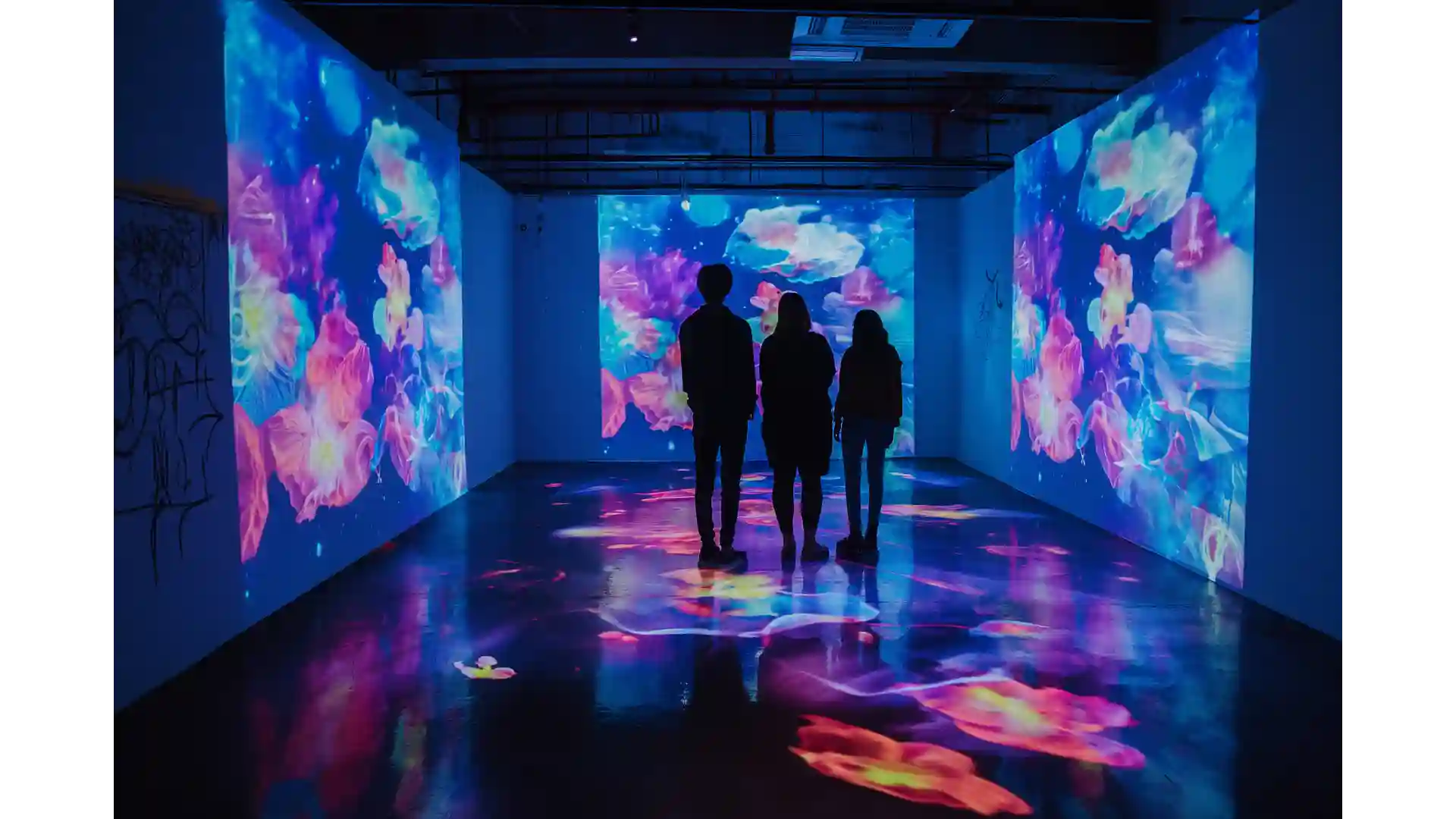
Motion attracts attention in static environments. A large LED video wall displaying product footage, brand animations, or customer results creates a visual anchor that stands out in a row of printed fabric displays. Video walls are particularly effective in tech, healthcare, and enterprise software verticals where product interfaces or outcomes can be shown visually.
Rotate content throughout the day. Morning sessions can focus on product features; afternoon content can shift to case studies or testimonials as a different mix of attendees moves through the floor.
4. Giant Product Replica or Oversized Display
An oversized version of a product, component, or interface generates immediate curiosity. Attendees who see something unexpectedly large stop to figure out what they are looking at — and that pause is your opportunity. This works across industries: hardware components, software dashboards rendered as physical mockups, consumer products at 10x scale, or industrial machinery parts on display.
5. Interactive Touchscreen Product Explorer
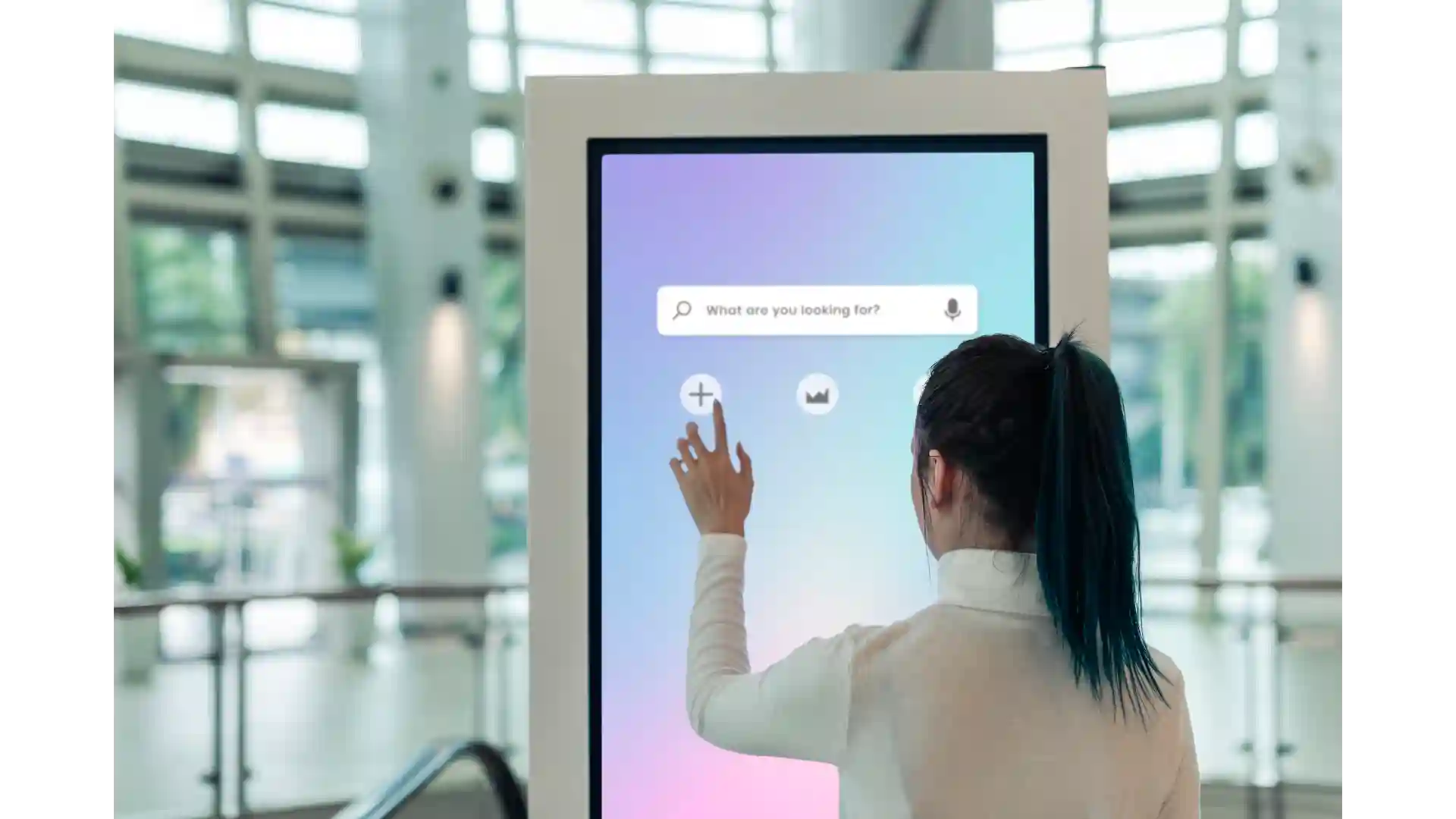
Interactive touchscreens let visitors self-navigate through product features, case studies, and pricing — on their own terms, at their own pace. This is especially useful for companies with complex or multi-product offerings where a verbal walkthrough would take too long for a first interaction.
Visitors who explore content themselves often arrive at booth staff already informed — which shifts the conversation from explanation to qualification much faster.
6. Spin-the-Wheel Prize Game
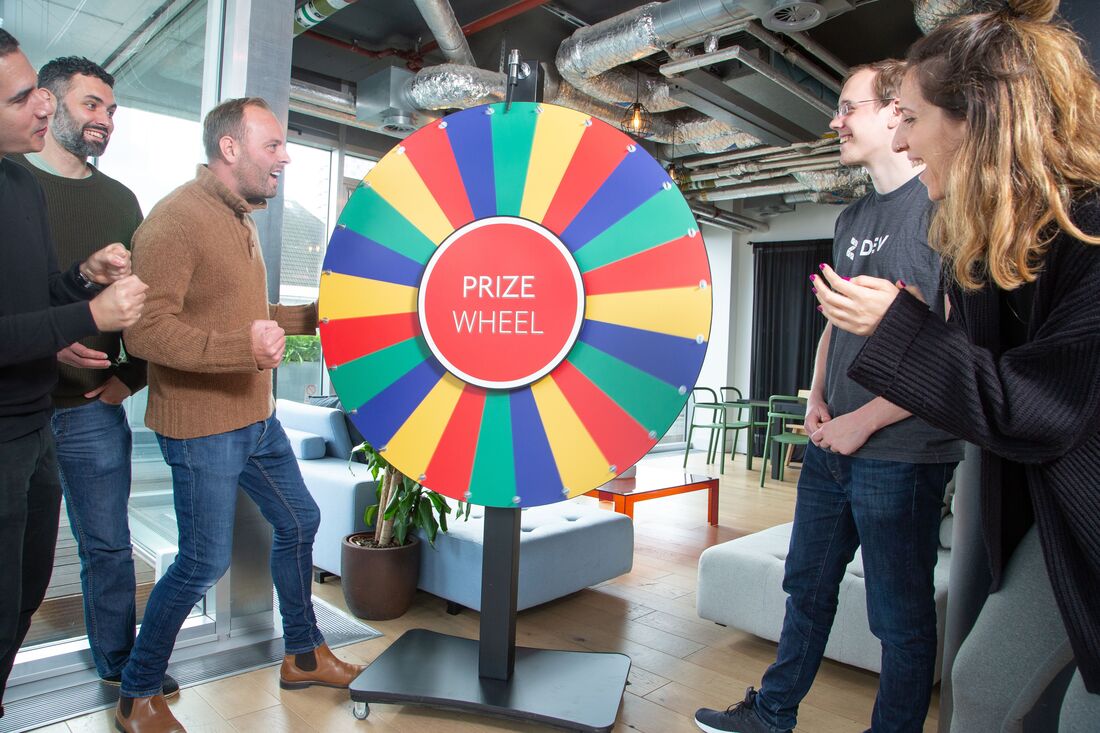
Prize games work because they tap into immediate motivation — the chance to win something, however small. Spin-the-wheel setups create visible activity, generate small crowds, and give booth staff a natural reason to collect contact information before the spin. Even modest prizes (branded items, discount codes, gift cards) produce consistent results.
When others walking past see a crowd gathered around a game, they stop to see what is happening. That secondary crowd effect is the real traffic driver.
7. Coffee or Beverage Station
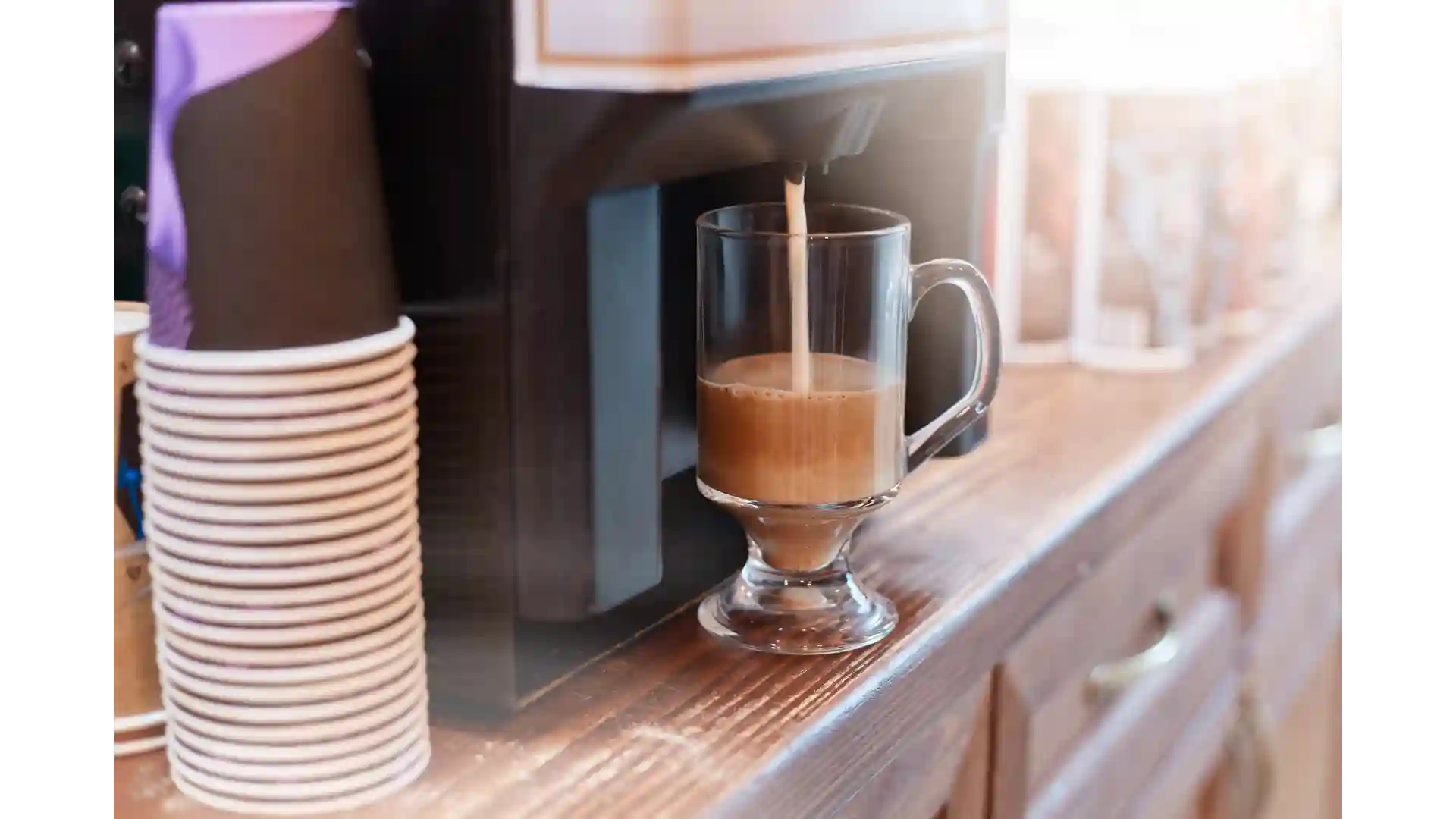
Offering coffee or beverages provides immediate value without requiring any commitment from visitors. After hours of walking and meetings, a free cup of coffee is genuinely useful — and people naturally linger while they drink it.
Coffee stations work best during morning hours when the show floor first opens. Position the station toward the front of the booth to draw visitors in, then give them a reason to stay once they are inside.
8. Phone and Device Charging Station
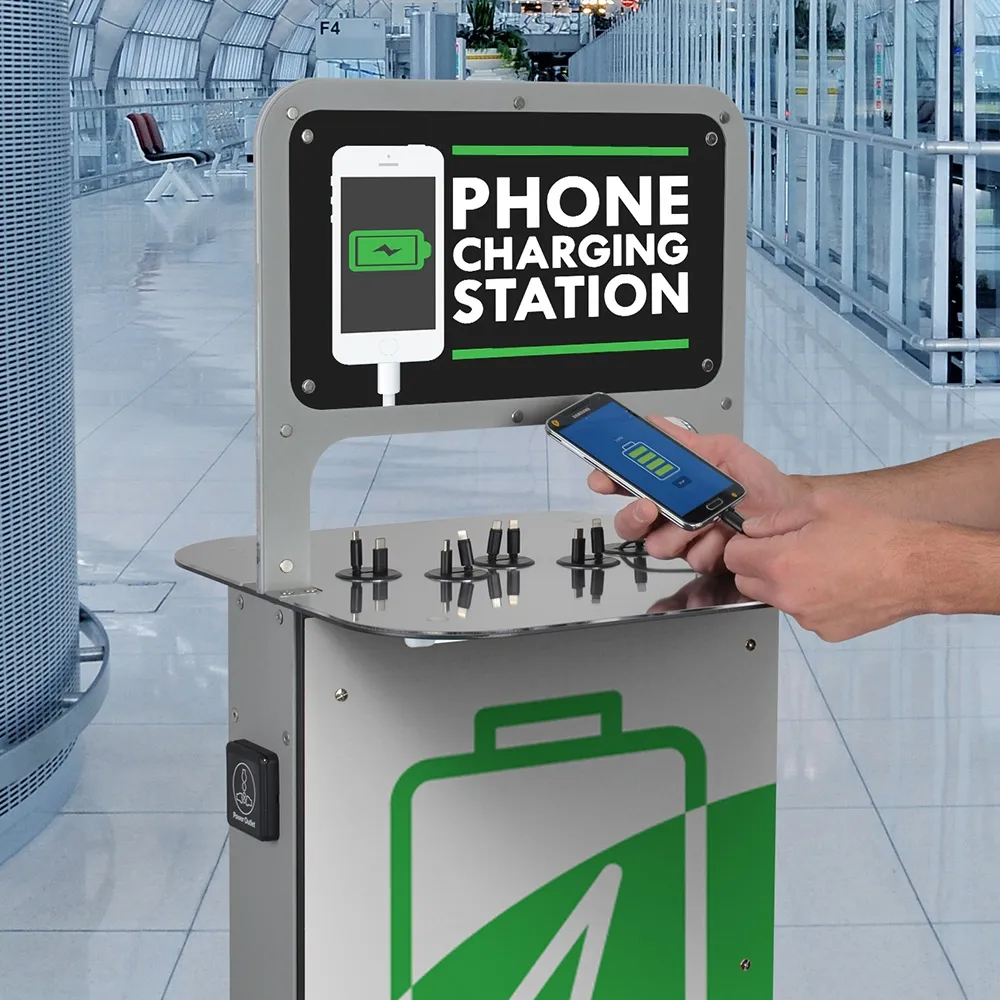
Charging stations solve a real problem every attendee faces. Trade show days are long, event apps drain batteries quickly, and phone-dependent networking means a dead phone is a genuine frustration. A booth that offers charging becomes a destination.
Visitors typically stay for several minutes while their device charges — long enough for a natural conversation to develop without any pressure. This idea consistently performs well across every industry and booth size.
9. Scheduled Mini-Presentations Throughout the Day
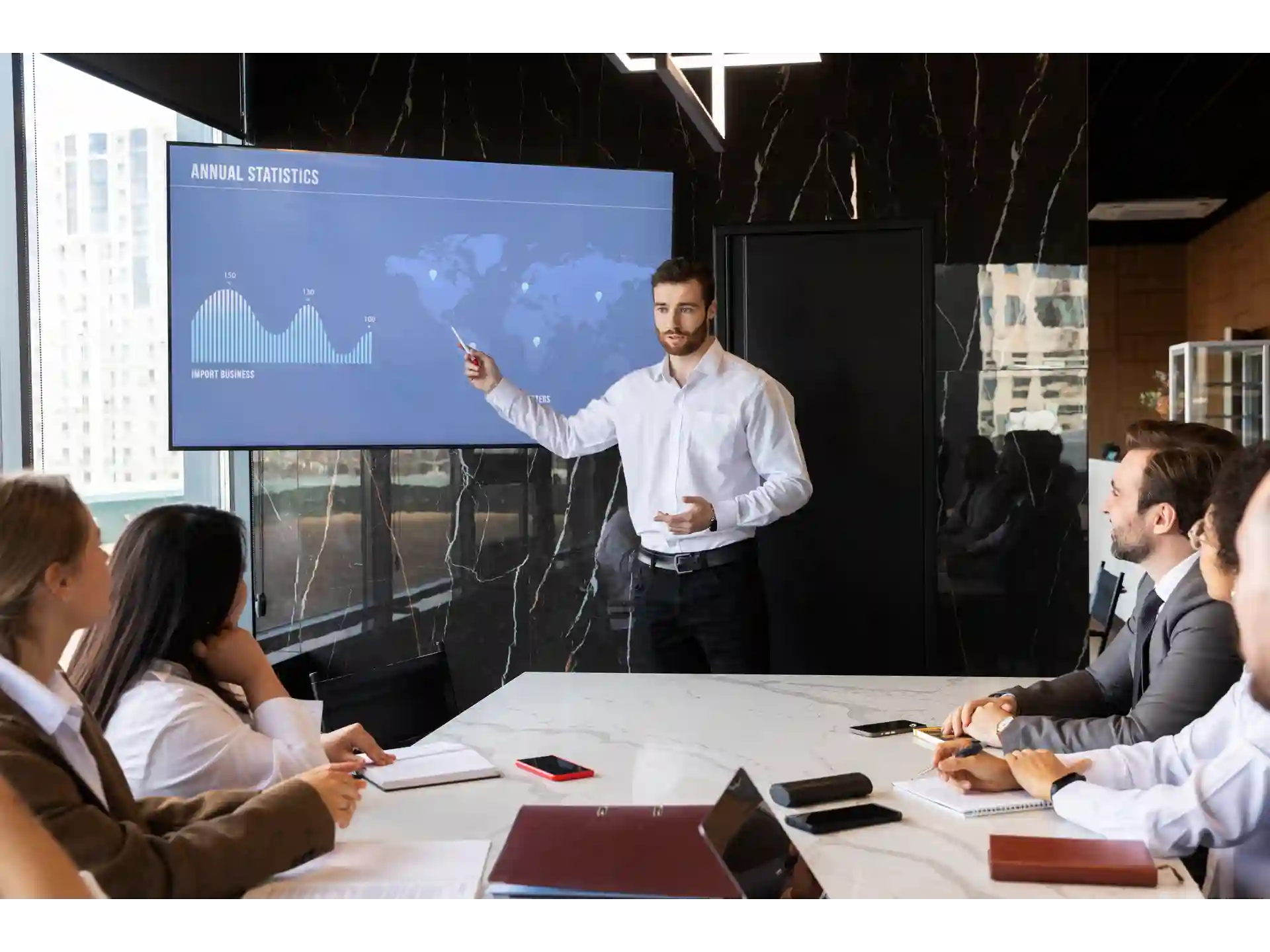
Short, scheduled presentations — five to ten minutes, on the hour — turn a booth into a recurring destination. Attendees who cannot stop now will return at the next scheduled time. Each presentation draws a small audience, which in turn attracts passersby who are curious about what the group is gathered to see.
Topics that perform well include: industry trends relevant to your audience, a single customer result explained in detail, or a live before-and-after product comparison.
10. Ask the Expert Consultation Station
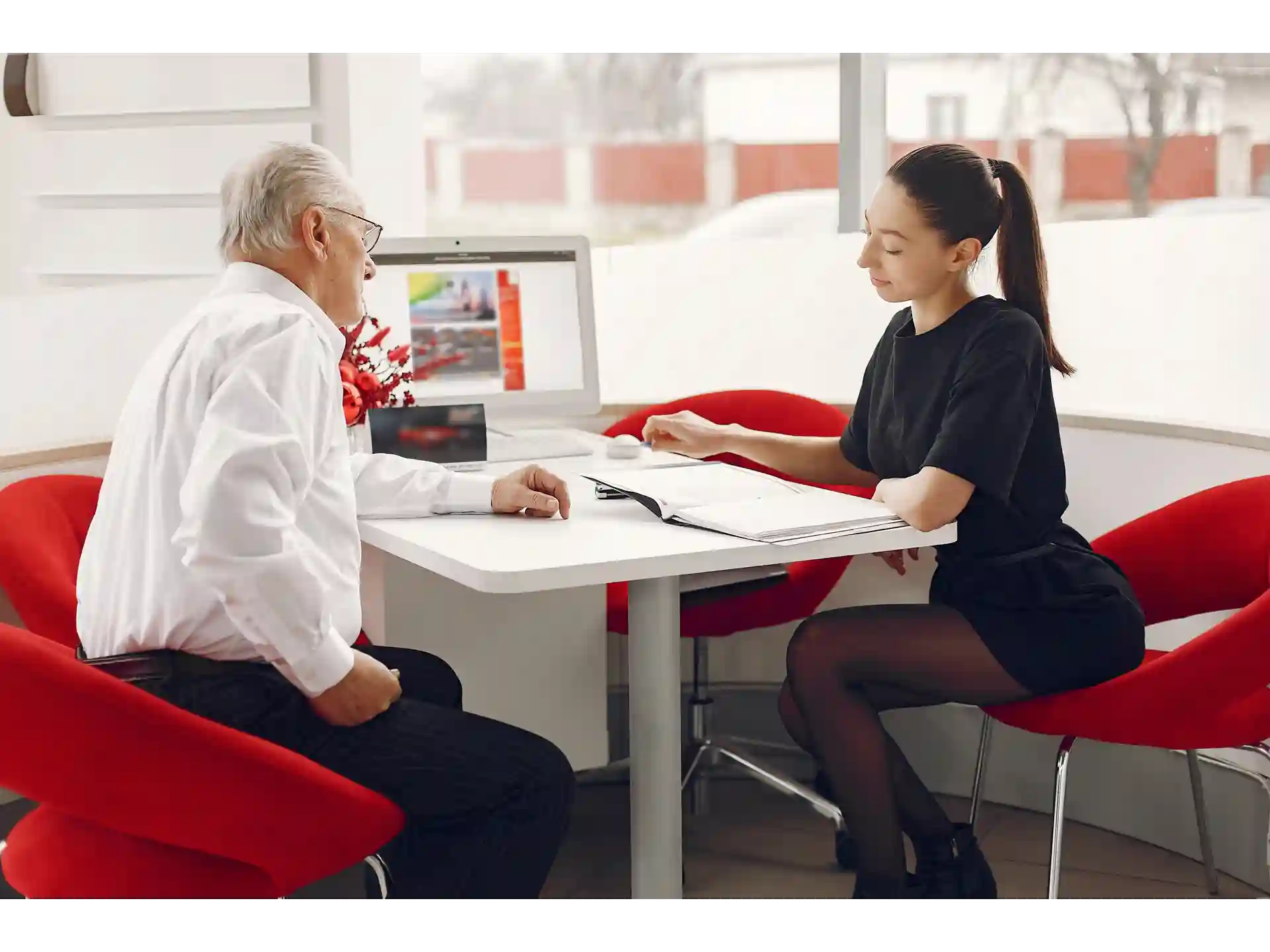
Positioning a subject matter expert at a clearly marked consultation station reframes the booth interaction from sales to service. Visitors bring a real challenge; the expert provides a short, genuine response. This approach particularly attracts decision-makers who are actively evaluating solutions — the highest-value audience at any show.
Keep consultations brief — ten to fifteen minutes — so the line moves and others feel comfortable joining.
11. Lounge Seating Area
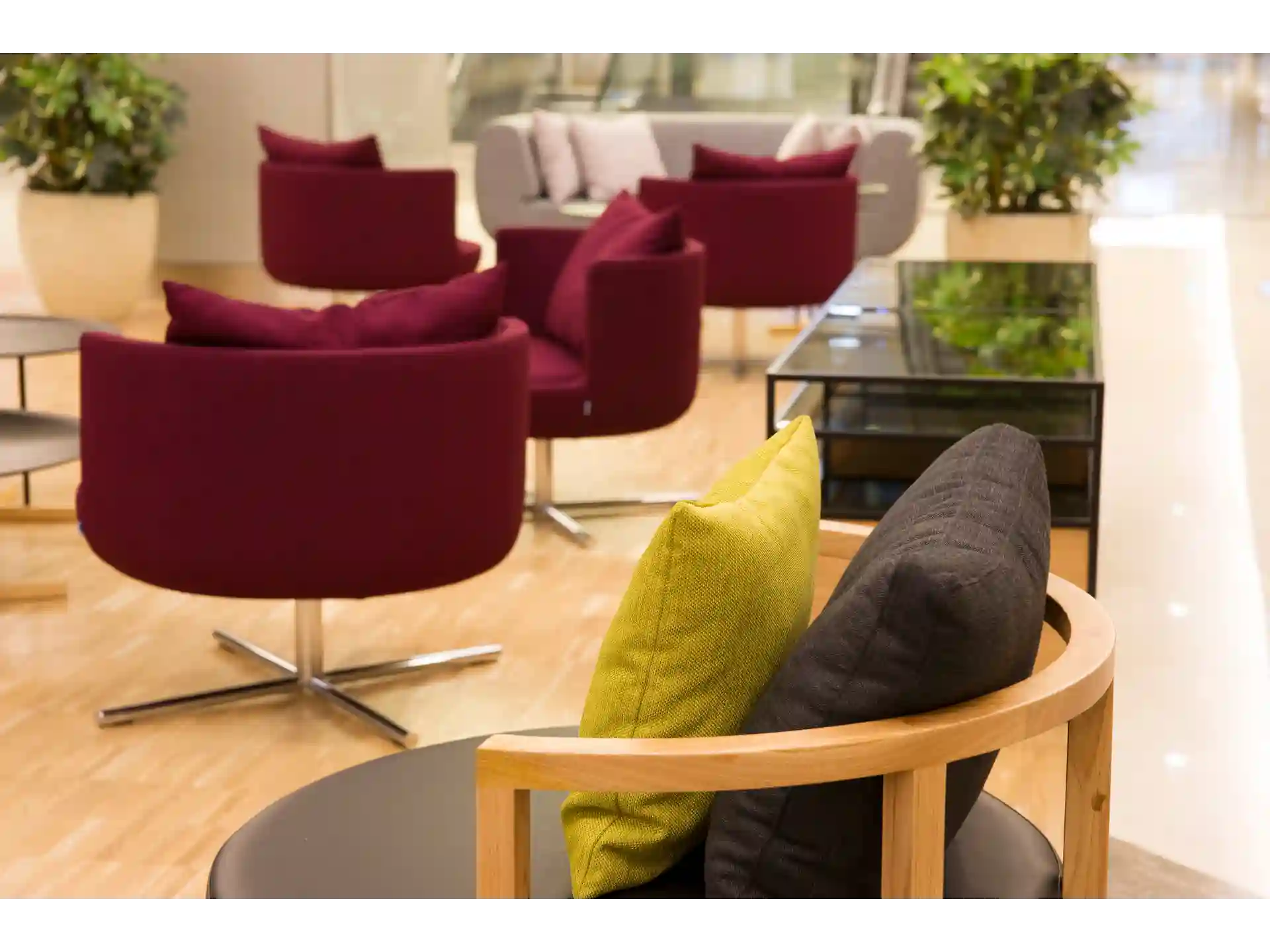
Trade show attendees walk for five to eight hours a day. Comfortable seating is one of the scarcest resources on a busy show floor. A booth with well-designed lounge seating becomes a natural stopping point — and longer dwell time directly increases the quality and quantity of conversations.
Lounge seating works best when combined with another element: a screen showing content, a charging station, or a beverage offering. The seating draws visitors in; the surrounding elements start conversations.
12. Branded Photo Opportunity
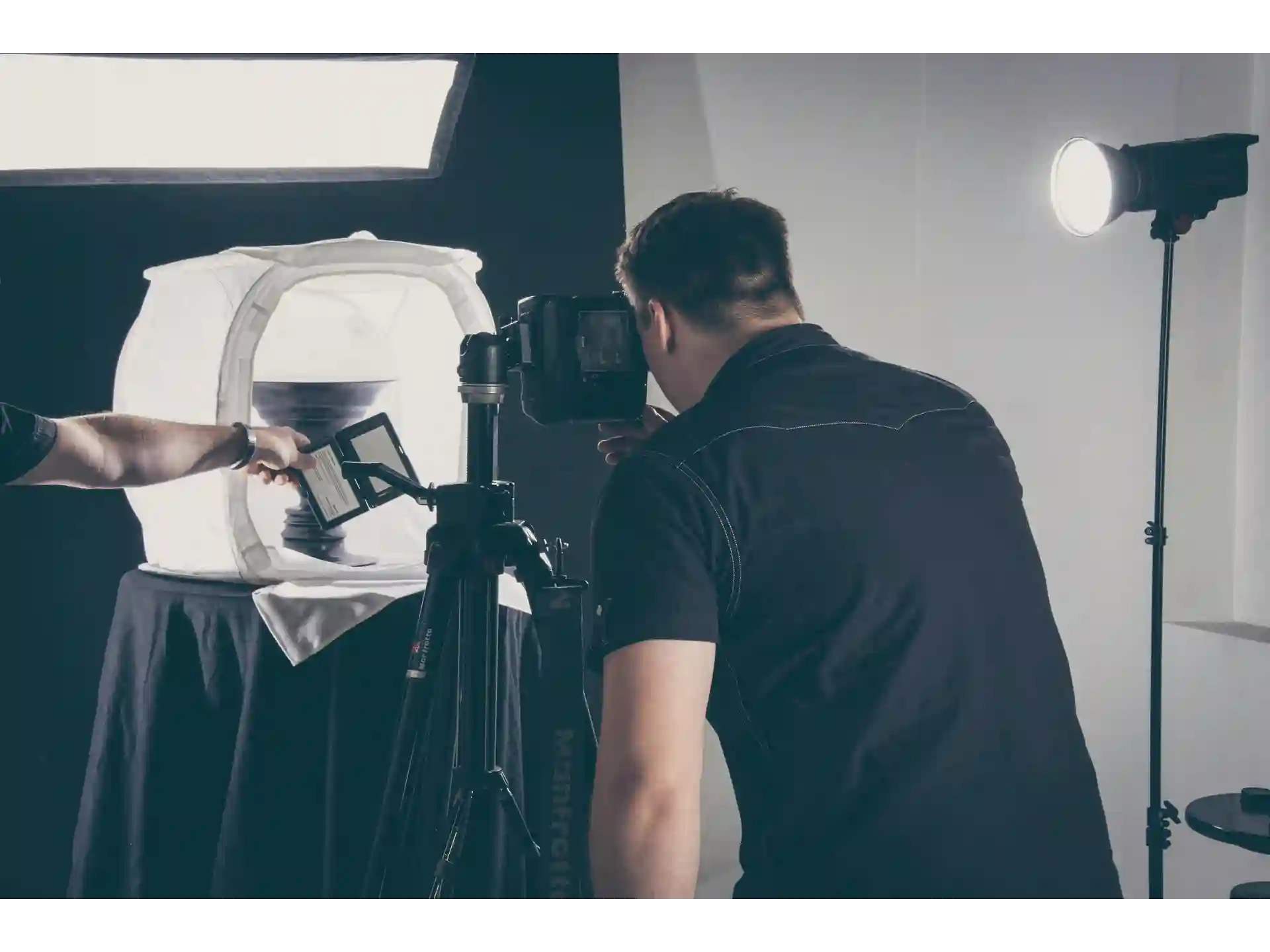
A well-designed photo moment — a branded backdrop, an interesting prop, a themed setup relevant to your industry — gives visitors something to share on LinkedIn and social media. This creates organic impressions beyond the show floor and keeps your brand visible to the professional networks of everyone who posts.
Photo opportunities also generate secondary traffic: when others walking by see a group gathering to take photos, they stop to see what is happening.
13. Fast Problem-Solving Station
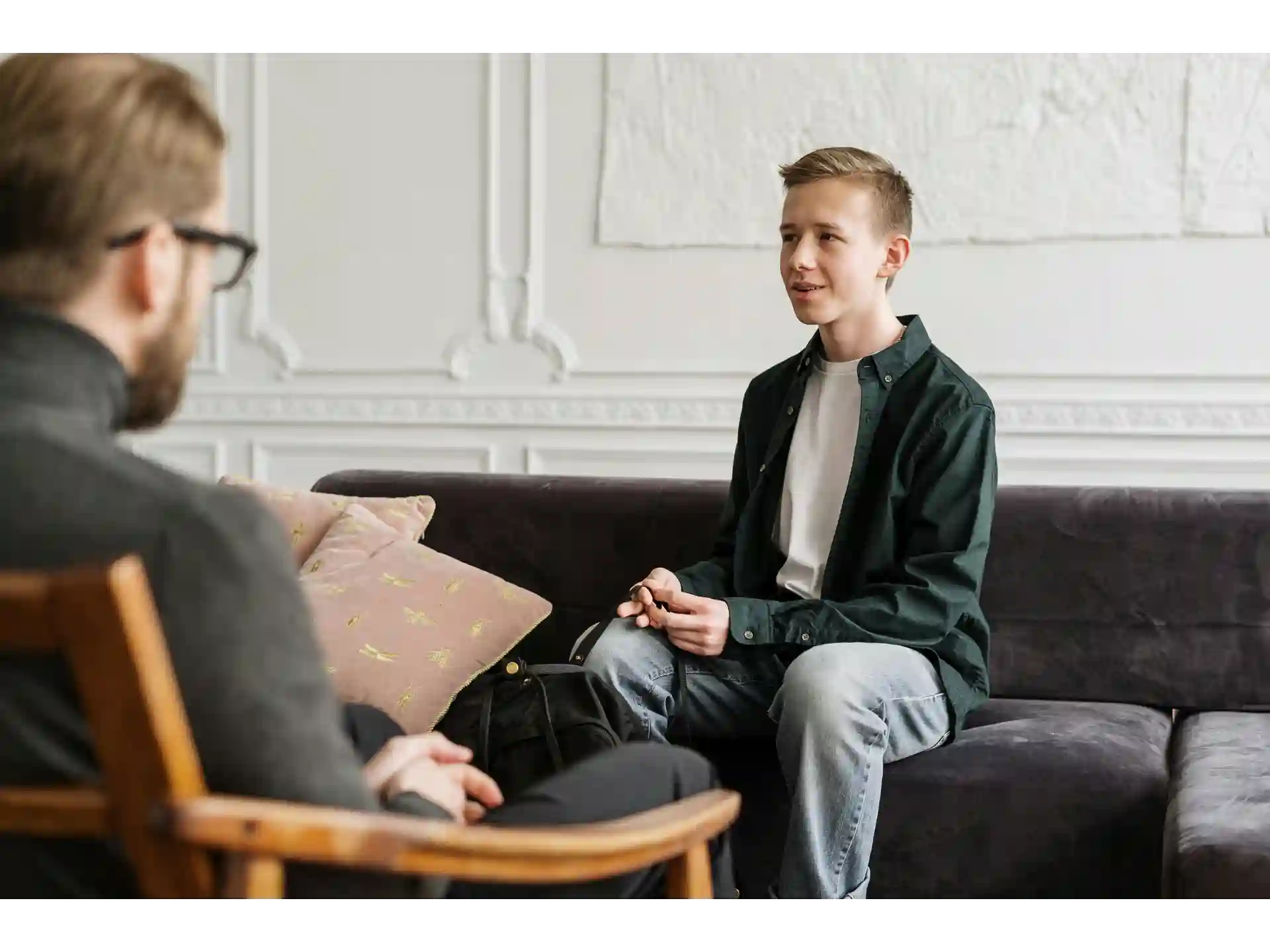
A problem-solving station offers visitors a quick, specific evaluation — a workflow review, a compatibility check, a brief strategy conversation — in exchange for a few minutes of their time. The format works because it delivers immediate, tangible value rather than asking visitors to sit through a product walkthrough they did not request.
When visitors describe their actual challenges, booth staff can naturally connect those challenges to specific solutions — creating a far more relevant conversation than a scripted pitch.
14. Live Build or Creative Activity Inside the Booth
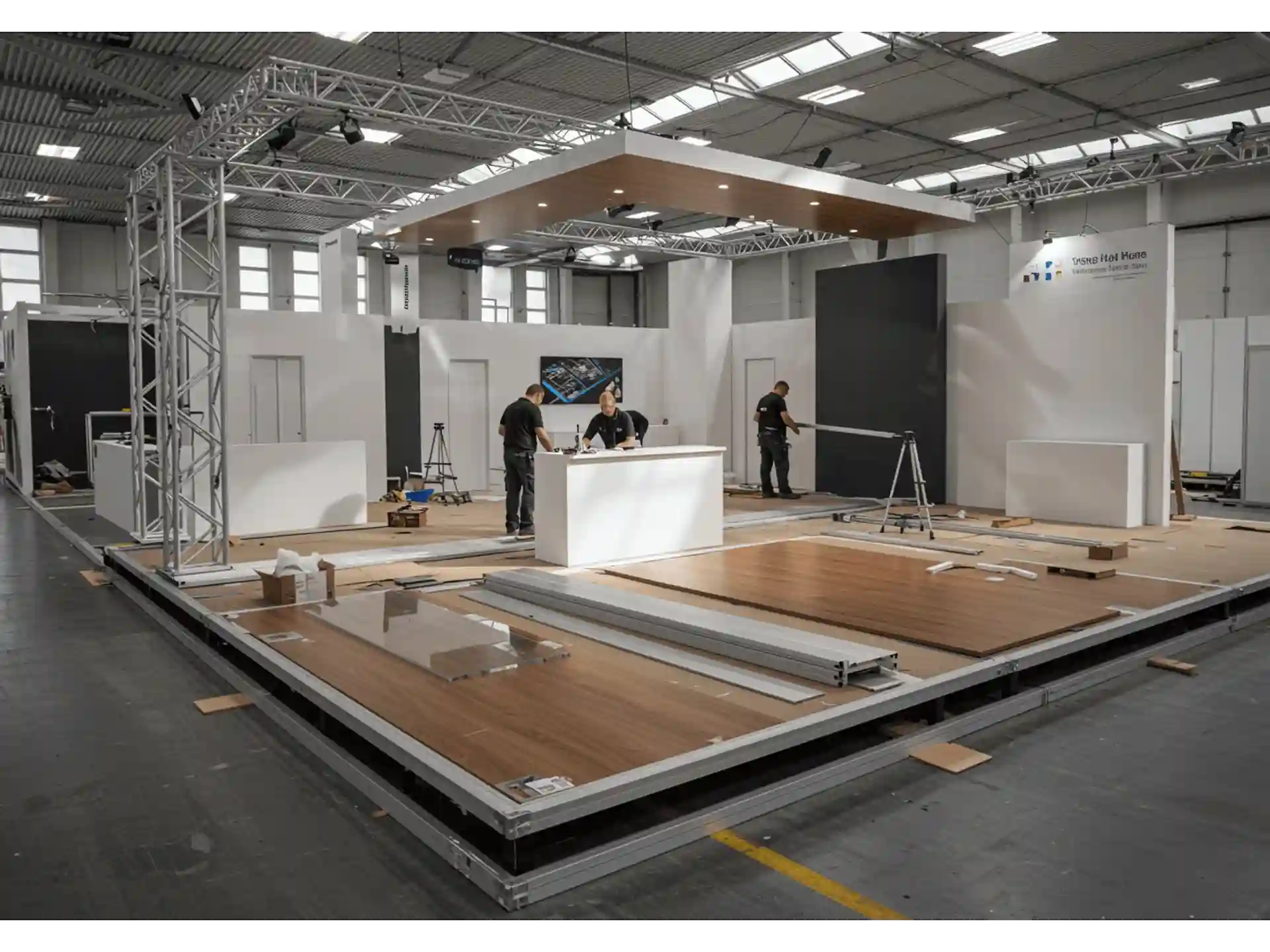
Live activity is one of the most reliable attention-capturing strategies at any exhibition. When people see something being made, assembled, or created, they stop to watch. This could be a product being assembled in real time, a designer working on custom artwork, or a live fabrication process relevant to your industry.
The activity itself is secondary to the curiosity it generates. Observers become visitors; visitors become leads.
15. VR or AR Product Experience
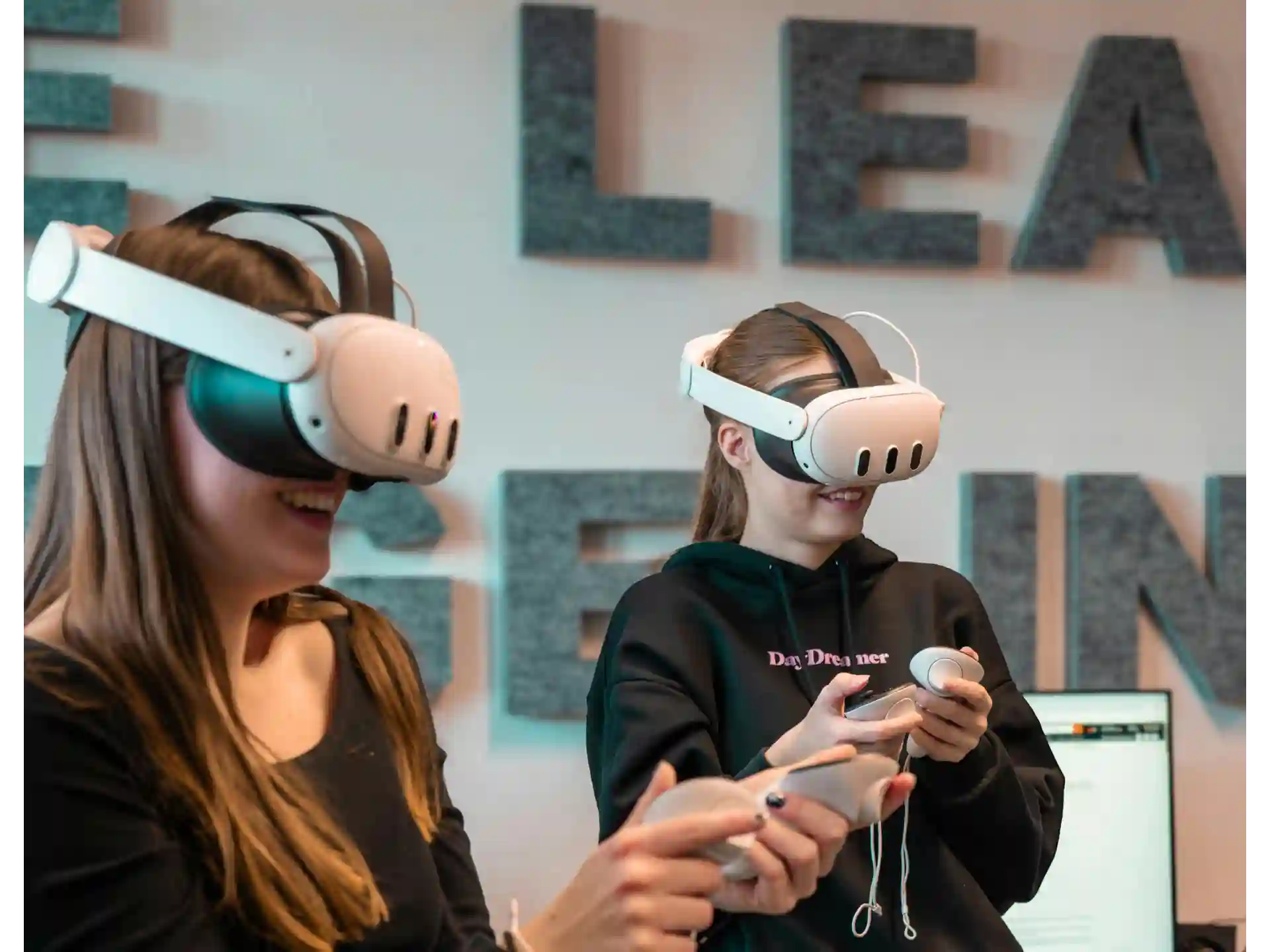
Virtual reality and augmented reality experiences are strong traffic drivers because they are visually unusual on a show floor. Seeing someone wearing a headset or interacting with an AR display draws attention from across an aisle. VR works particularly well for products that are difficult to demonstrate physically — large equipment, complex environments, or future-state scenarios.
Keep the experience short — under three minutes — so a line does not form and discourage participation.
16. Single High-Impact Headline Message
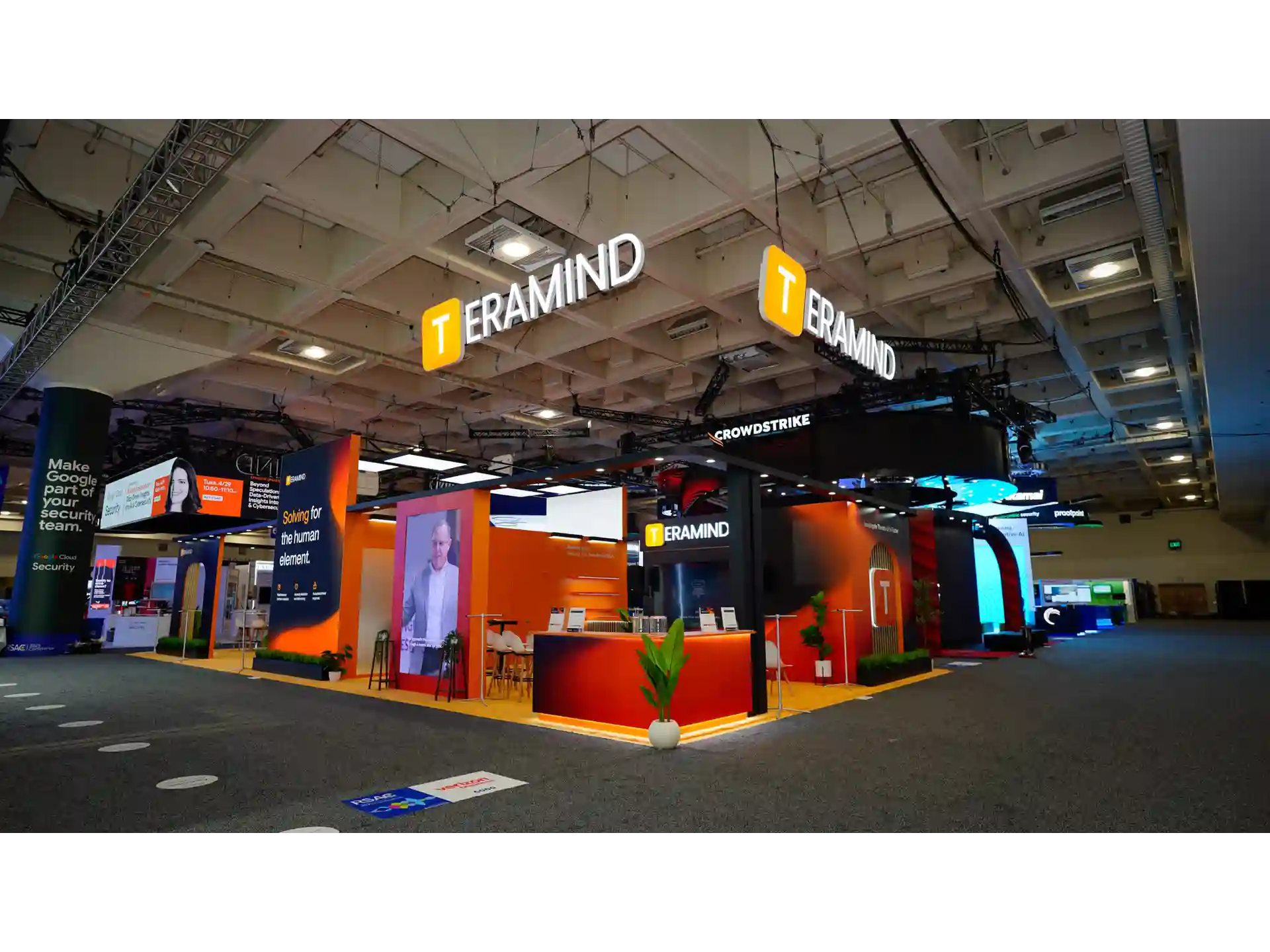
Clear messaging is a booth idea in itself. Visitors walking past a booth at five feet per second need to understand what a company does in one glance. A single strong headline — written for a moving reader, not a seated one — is more effective than three paragraphs of brand copy.
Test your headline with someone unfamiliar with your company. If they cannot explain what you do after reading it once, rewrite it.
17. Social Media Wall or Live Feed Display
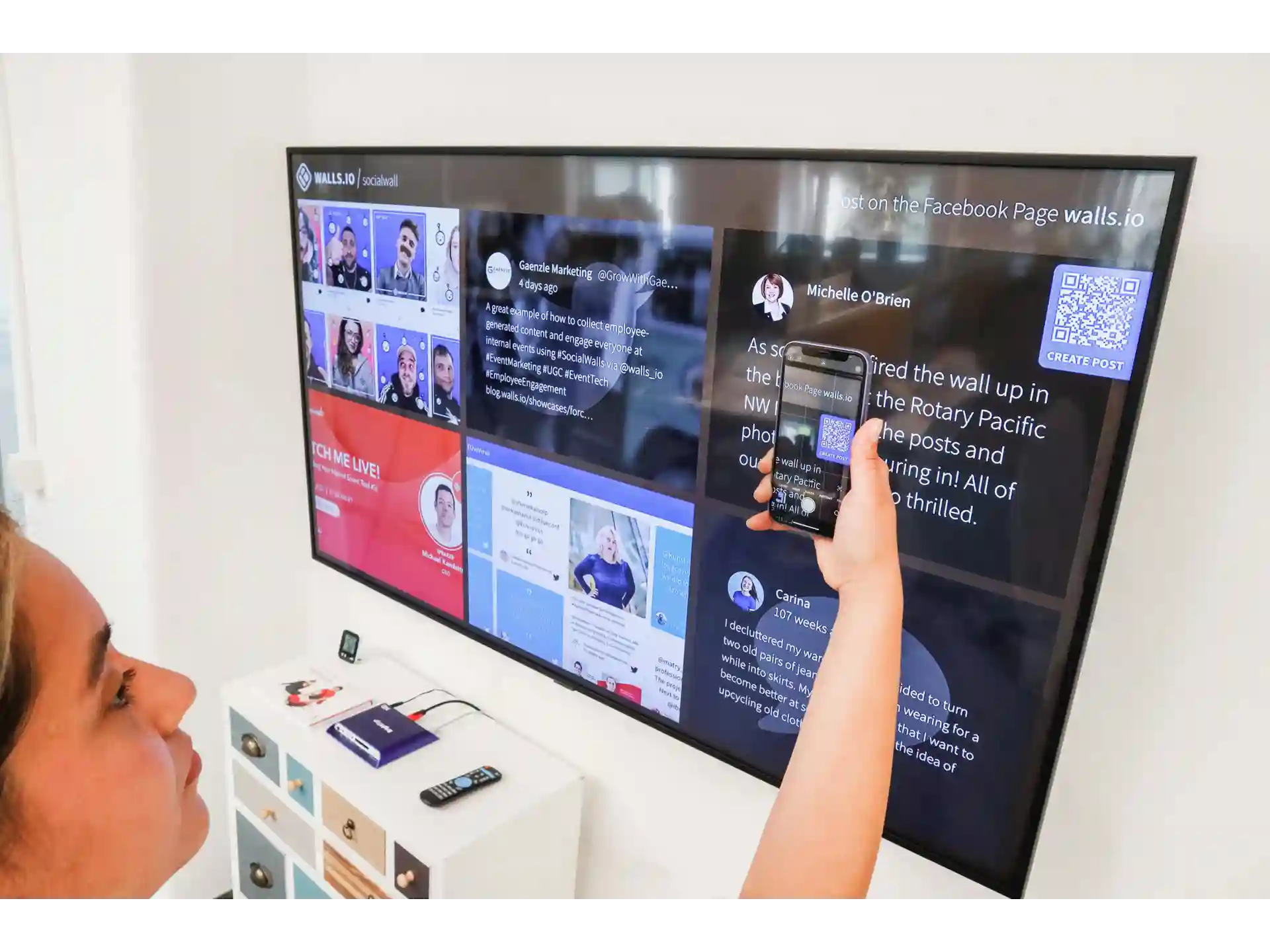
A live screen displaying social mentions, event hashtag posts, or visitor photos creates a feedback loop: visitors post, see their post on the screen, and share again. This generates both social amplification and in-booth foot traffic as people return to check whether their content appeared.
18. Giveaway with a Barrier to Entry
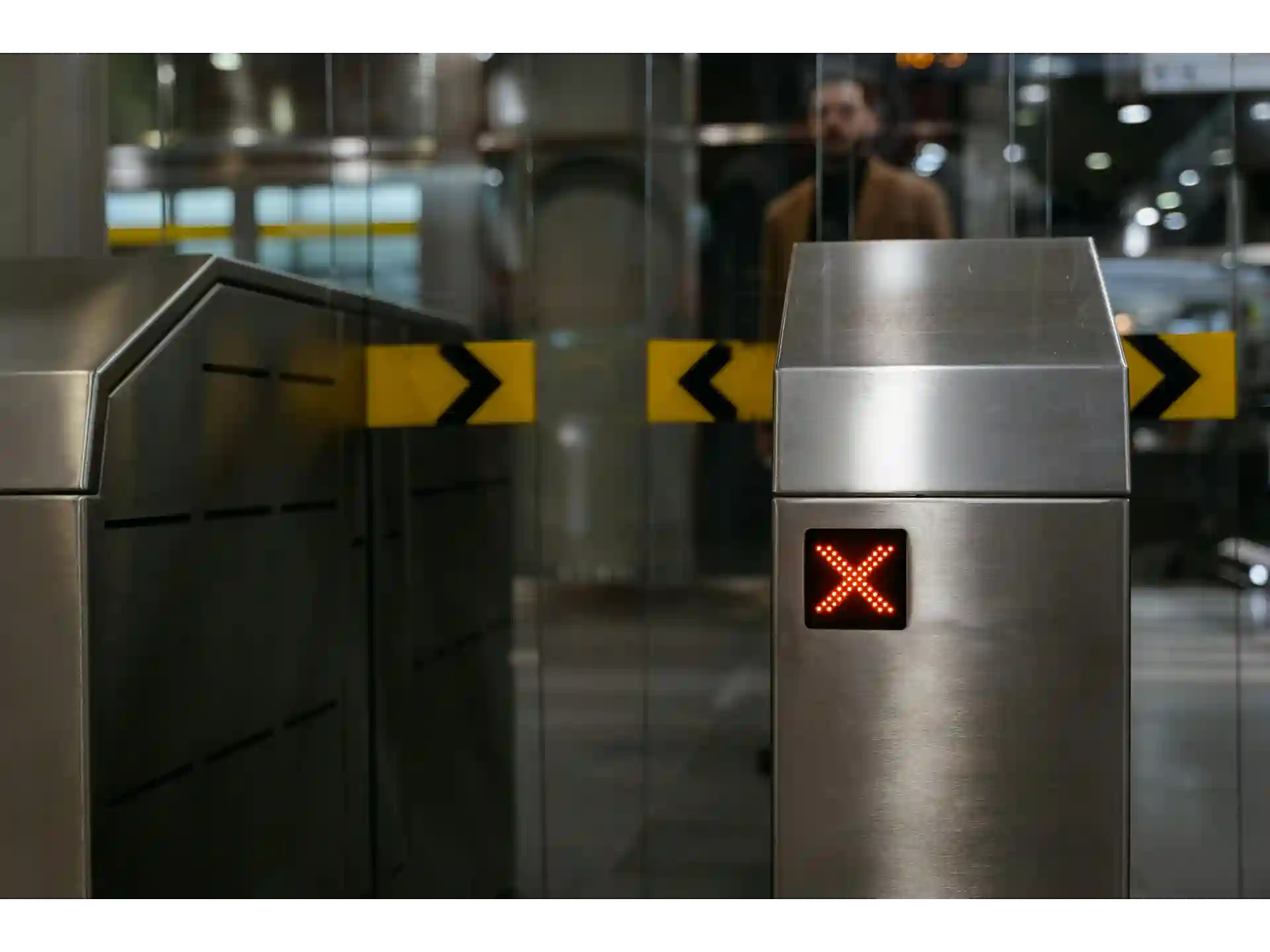
A giveaway that requires a small action — answering a qualifying question, watching a one-minute demo, or scanning a badge — filters for visitors who are at least marginally interested in your product category. This produces better leads than badge scanners at the booth entrance, which collect contact information from everyone who walks by regardless of intent.
19. Pre-Scheduled Meetings at the Booth
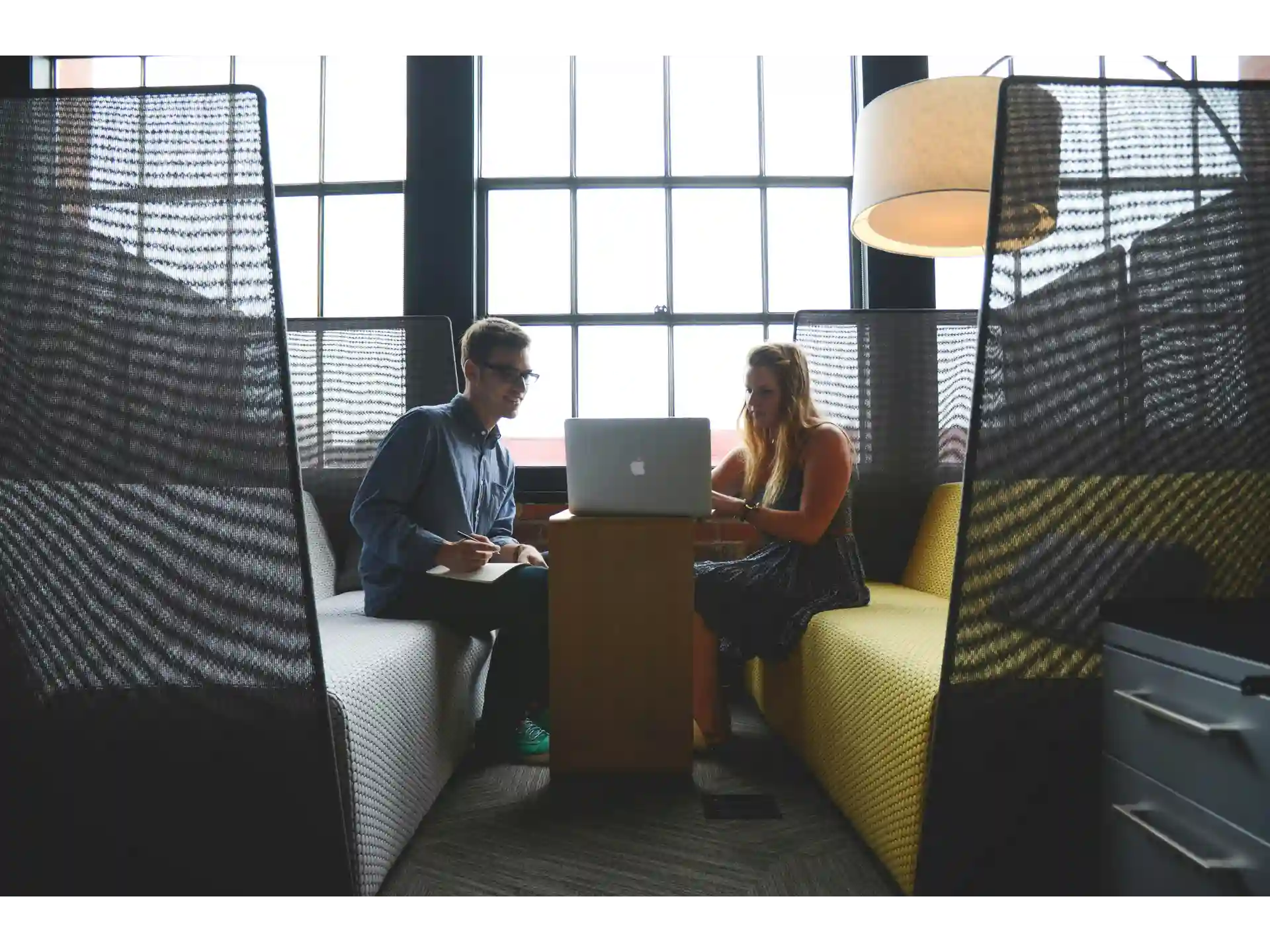
The highest-performing booths at major shows like CES and NAB are busy before the doors open because their teams scheduled meetings in advance. A booth that is visibly occupied with active conversations attracts walk-up visitors — social proof works on the show floor the same way it works everywhere else.
Email your prospect list before the show, use the event's appointment scheduling tool, and post your booth number on LinkedIn in the week leading up to the event.
20. Open Layout with No Front Table Barrier
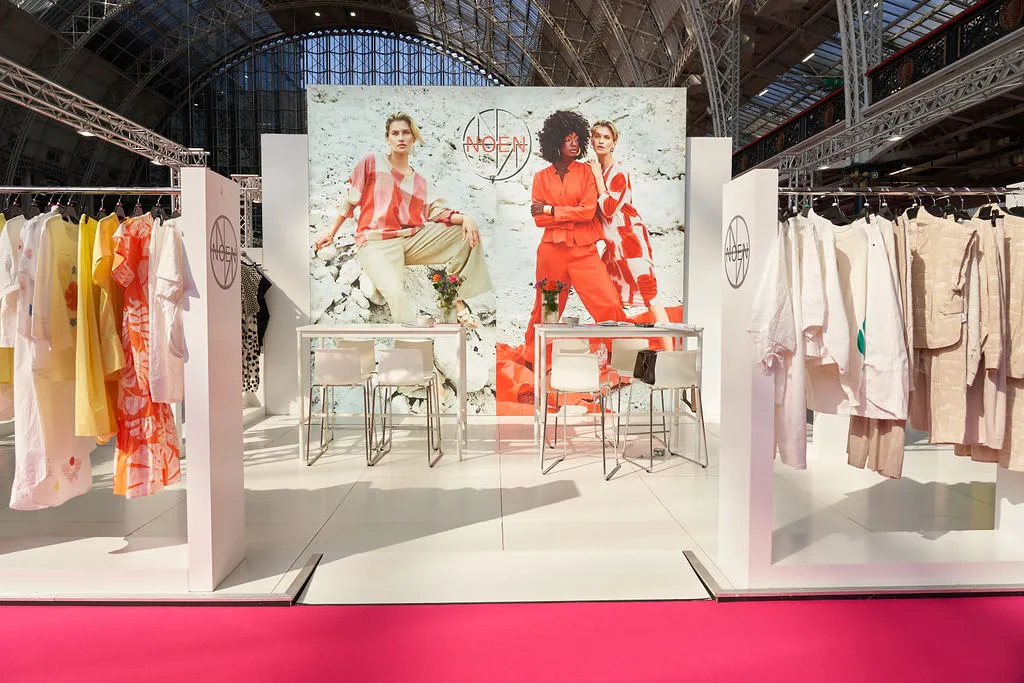
A table placed at the front of a booth creates a physical and psychological barrier. Visitors feel like they are entering a sales encounter, not a conversation. Removing the front table and opening the trade show booth layout signals welcome and increases walk-in traffic. Staff positioned inside the booth space, rather than behind a table, have more natural and less transactional conversations.
Trade Show Booth Ideas for 10x10 Spaces
A 10x10 booth requires more discipline than a larger space, not less ambition. Every element must earn its place. The ideas that work best in compact spaces are those that create a single focal point — one interactive element, one clear message, one reason to step inside.
Practical 10x10 strategies include: a vertical display that draws the eye upward without consuming floor space; a single touchscreen mounted at standing height for self-guided exploration; a phone charging station along one wall; and a strong headline graphic that communicates your value proposition from across the aisle. Avoid placing furniture at the booth entrance. Keep the front open so visitors can step inside without feeling committed.
How Exhibitorly Helps You Find the Right Booth Builder for Major US Trade Shows
Knowing which trade show booth ideas to use is only part of the challenge. Executing them successfully at large convention centers — in Las Vegas, Orlando, Chicago, and other major trade show cities — requires the right exhibit partner.
This is where Exhibitorly helps.
Exhibitorly is a US-focused platform that allows exhibitors to compare and request quotes from multiple vetted exhibit builders for specific trade shows. Instead of contacting vendors one by one, exhibitors can submit their requirements and receive proposals from qualified booth builders who already operate at that event.
The platform is designed to make vendor selection easier and more transparent. Exhibitors can review different builder options, compare capabilities, and choose a partner that fits their budget, booth size, and design goals.
This approach is particularly useful for companies exhibiting at large events such as CES, NAB Show, HIMSS, or other major US trade shows where logistics, local labor rules, and installation timelines can vary significantly.
For first-time exhibitors or companies expanding into new shows, Exhibitorly provides a structured way to identify experienced booth builders and start planning earlier — which is often one of the most important factors in successful exhibit execution.
The Bottom Line on Trade Show Booth Ideas
The best trade show booth ideas share a common trait: they give attendees a reason to stop that has nothing to do with obligation. Whether that reason is curiosity, utility, entertainment, or expertise, the booth has to earn attention in a crowded environment.
Choose two or three ideas from this list that fit your audience, your space, and your show objectives. Execute them with well-trained staff, clear messaging, and a follow-up plan that activates within 48 hours of the show closing. That combination — strong ideas, strong execution, fast follow-up — is what separates the exhibitors who leave with qualified leads from the ones who leave with a stack of business cards.