
What to Wear to a Trade Show: The Complete Attire Guide for Attendees and Exhibitors
This article covers trade show attire for both attendees and exhibitors. Key recommendations: Business casual is the safe default for most B2B trade shows. Prioritize comfort — you will be on your feet 6 to 8 hours. Dress one step above what you expect attendees to wear if you are exhibiting. Industry context matters — tech expos skew casual, finance and legal shows skew formal.
What to Wear to a Trade Show: The Complete Attire Guide for Attendees and Exhibitors
Why Your Trade Show Outfit Actually Matters
A trade show floor is a first-impression machine. Hundreds of conversations happen in a single day. Before you say a word, your appearance communicates whether you are worth talking to.
Research published in the Journal of Experimental Social Psychology shows that formal attire increases how others perceive your competence and authority. At a trade show, that perception gap can be the difference between a hot lead and a pass.
But looking sharp is only half the equation. Comfort is the other half — and most people underestimate it. The average trade show attendee walks 5 to 7 miles per day on hard convention center floors. If your shoes are wrong, nothing else matters.
- The goal is simple: look professional enough to earn trust, comfortable enough to last all day.
Attendee vs. Exhibitor: The Attire Is Different
Most trade show attire guides treat attendees and exhibitors the same. They are not.
As an attendee, you have flexibility. Your outfit represents you personally. You can inject more personality, experiment with color, and dress slightly more casually than booth staff. Your goal is to look like a serious professional who is there to learn, evaluate vendors, and network — not to sell.
As an exhibitor, your outfit represents your company. It needs to be intentional. Many exhibiting companies use branded apparel — polo shirts, blazers with embroidered logos, or coordinated team colors — so they are instantly recognizable on the floor. Your clothing is part of your booth experience.
The rule of thumb: exhibitors should dress one level above the expected attendee dress code.
What to Wear to a Trade Show: By Industry
There is no single dress code for every trade show. The industry context changes everything.
Technology and SaaS Expos (e.g., CES, Salesforce Dreamforce)
Smart casual is the norm. Think dark jeans with a clean button-down or blazer. Suits are rare and can actually make you look out of touch. Sneakers are acceptable if they are clean and intentional, not worn running shoes.
Finance, Legal, and Professional Services Shows
Business professional. Suits for men, tailored blazers, and slacks or dresses for women. This audience judges you on your presentation. Err on the side of formality.
Healthcare and Medical Device Expos
Business professional to business casual. The culture is conservative. Stick to neutral tones, clean lines, and minimal accessories.
Food, Beverage, and Consumer Goods Shows
More relaxed. Business casual works well. If your brand has a distinct identity, this is one of the few contexts where branded or themed attire actually adds energy to your booth.
Agriculture and Outdoor Industry Shows
Practicality wins. If you are walking an outdoor show or a farm expo, dress for the environment — sturdy footwear, weather-appropriate layers, and professional but rugged clothing.
Fashion and Design Expos
Express your aesthetic. This is one of the few trade show environments where bold choices are not just acceptable — they are expected. Your outfit signals that you understand the industry.
What to Wear to a Trade Show: Men's Attire Guide
The Safe Default: Business Casual
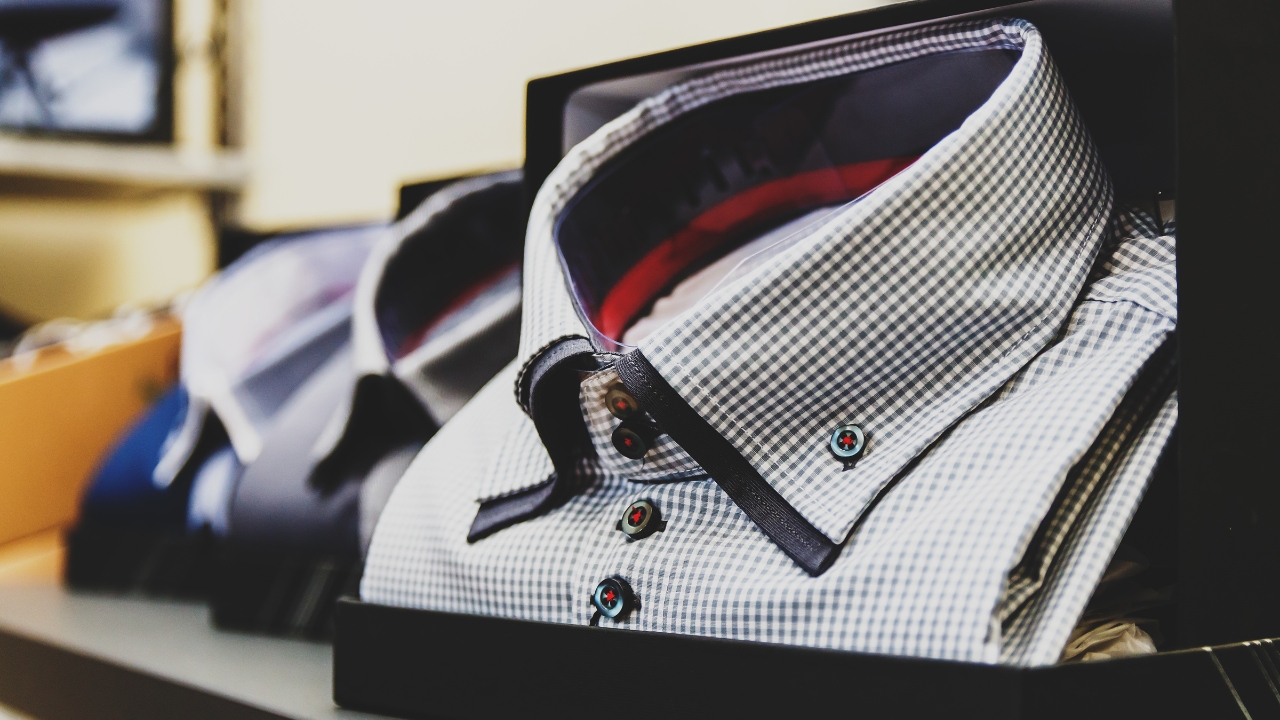
A collared shirt — button-down, polo, or quarter-zip — paired with chinos or dark dress pants is the reliable choice for most shows. Add a blazer if you want to project more authority or plan to attend evening events.
Example outfit:
Navy blazer + white button-down + dark chinos + clean leather loafers
Elevating to Business Professional
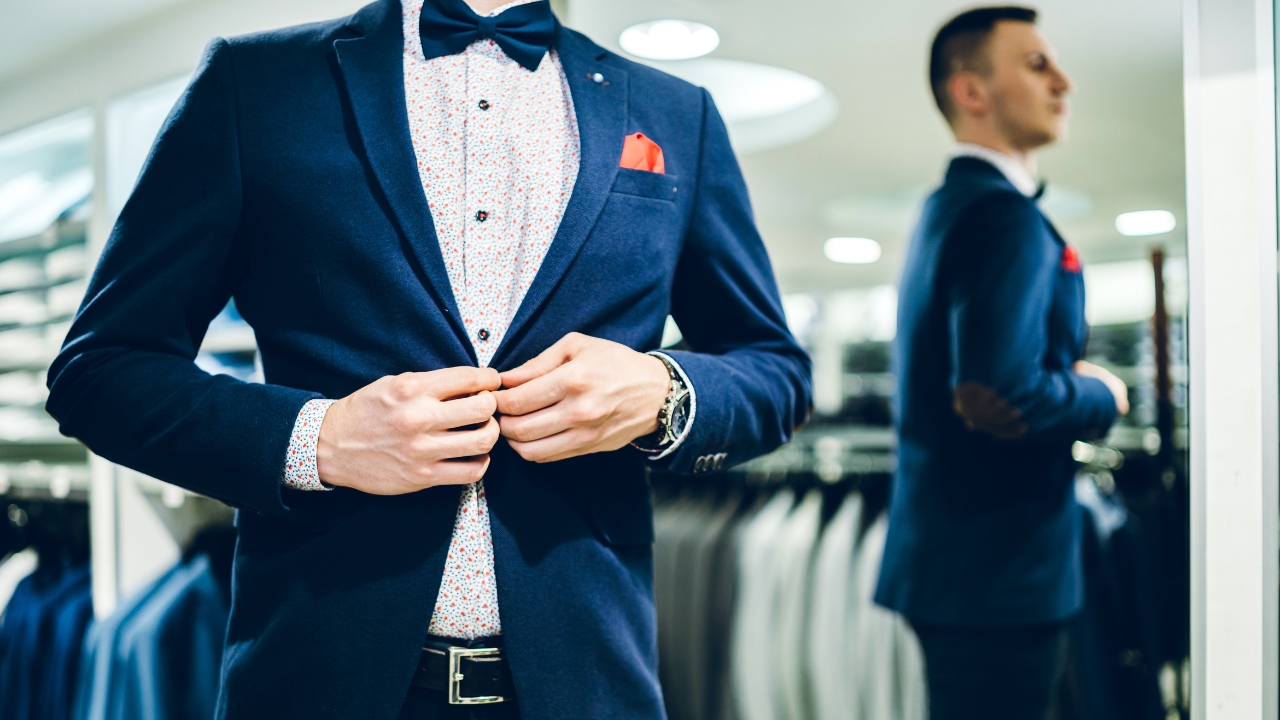
If the show warrants it, a full suit works. Choose neutral, classic tones: navy, charcoal, or medium gray. Pair with a white or light blue dress shirt and a simple tie.
Shoe note: Never wear a brand-new pair of shoes to a trade show. Break them in first. Convention center floors are punishing.
Accessories for Men
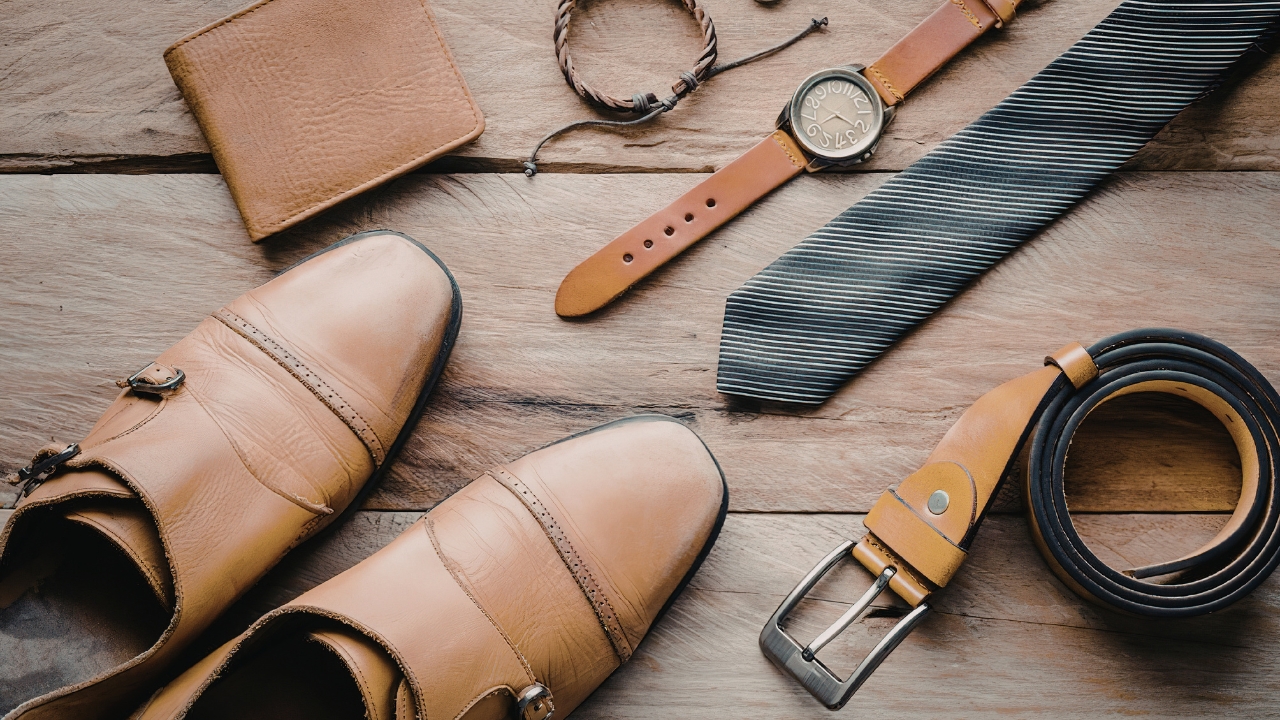
Keep it minimal. A watch and a belt are typically enough. Match your belt to your shoes. Branded lanyards and badge holders are part of the look — keep them tidy and facing forward.
What to Wear to a Trade Show: Women's Attire Guide
The Safe Default: Business Casual
A tailored blouse with slacks or a knee-length pencil skirt is the go-to. A blazer adds polish without feeling stiff. Neutral tones — navy, black, grey, cream — are reliable and professional.
Example outfit:
White silk blouse + black tailored trousers + block-heeled ankle boots
Or: Grey blazer + light blue blouse + black slim-fit pants + pointed-toe flats

Footwear Is Critical
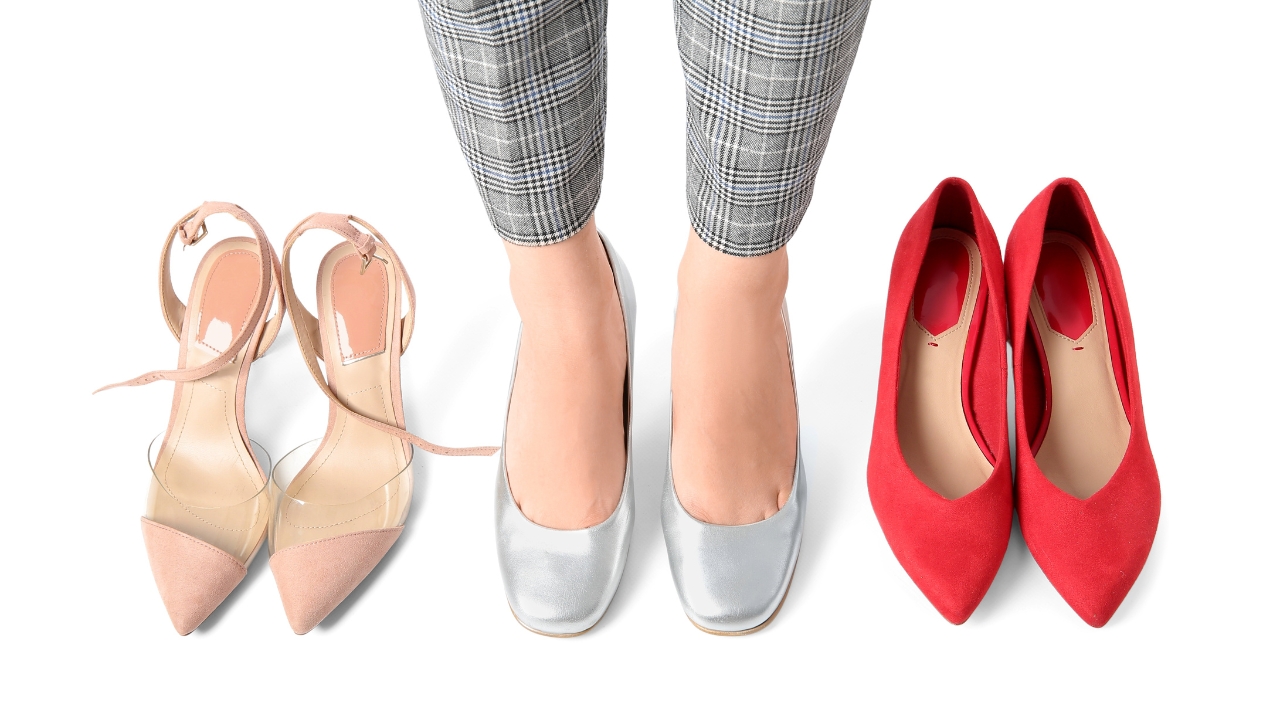
If there is one area where women most often regret their trade show outfit, it is shoes. High heels on concrete floors for 8 hours is a medical event, not a fashion statement.
Choose: Block heels (2 inches or less), loafers, clean leather flats, or smart leather sneakers. Comfort is non-negotiable.
Accessories for Women
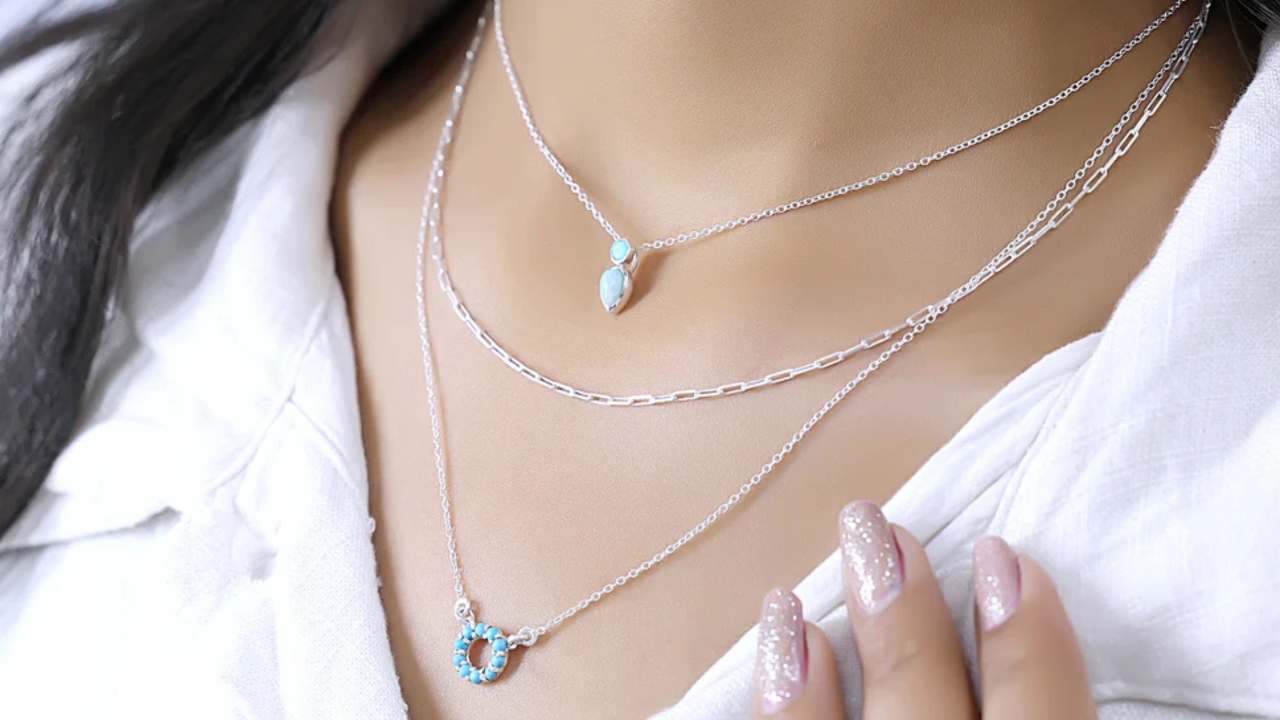
Understated works best at B2B shows. A statement necklace or simple earrings add personality without distraction. Avoid chunky bracelets — they can become noisy and distracting during conversations.
The Trade Show Attire Do's and Don'ts
Do's
- Do wear layers. Convention centers are notoriously over-air-conditioned, even in warm climates.
- Do break in your shoes before the event.
- Do wear branded clothing if you are exhibiting — it makes you findable on the floor.
- Do keep your badge visible and facing forward at all times.
- Do dress to match the culture of your industry, not just a generic "professional" default.
- Do inject one personal element — a pocket square, a colorful scarf, interesting socks — it makes you memorable.
- Do choose clothes that fit well. Well-fitted business casual beats an ill-fitting suit every time.
Don'ts
- Don't wear brand-new shoes. Blisters will end your day early.
- Don't wear heavy perfume or cologne. Close-quarters conversation makes strong scents overwhelming.
- Don't wear anything you would wear to the gym, the beach, or a casual weekend.
- Don't wear clothing with logos that are not your own brand.
- Don't wear tight or restrictive clothing — you will be moving constantly.
- Don't wear outfits that require constant adjustment. If you have to think about your outfit, you are not thinking about business.
Your Trade Show Day Bag: The Survival Kit
Your outfit is only part of the equation. What you carry matters too.
Pack a small day bag with:
- Breath mints — you will be talking all day
- Deodorant or blotting papers — convention centers get warm
- A compact lip balm or touch-up kit — for long days under bright lights
- Comfortable backup flats — if you are in heels, bring a swap pair
- Plasters or blister pads — just in case
- A small lint roller — fabric picks up everything on a busy show floor
- Business cards — always
Planning to Exhibit at Your Next Show? Start Here.
If you are attending a trade show as a visitor this time, you are likely scoping out booths, collecting ideas, and thinking about what it would look like to exhibit next time.
That is exactly where Exhibitorly comes in.
What Is Exhibitorly?
Exhibitorly is the leading online marketplace for trade show exhibitors in the United States.
It connects businesses with verified booth builders, exhibit rental companies, display designers, and trade show service providers — all in one place, across 100+ trade shows nationwide.
Instead of spending weeks researching vendors and requesting quotes one by one, Exhibitorly lets you search by show, booth size, budget, and style — and connect directly with the right suppliers for your specific event.
Whether you need a 10x10 rental, a custom island exhibit, or a modular display that travels with you across multiple shows, Exhibitorly has the network and the tools to match you with the right partner.
Exhibitorly is free to use for exhibitors. Browse shows and suppliers at Exhibitorly →
Final Word
What to wear to a trade show is not just about looking good — it is about removing friction. The right outfit keeps you comfortable for an 8-hour day, signals credibility to everyone you meet, and frees your brain to focus on conversations, connections, and opportunities.
Pick clothes that fit well, suit the industry, and let you move freely. Break in your shoes. Bring a survival kit. And if you are thinking about exhibiting at your next show — start your search on Exhibitorly.
Related reading: