

Trade Show Rejection Reasons: Why Applications Get Turned Down
The most common trade show rejection reasons are a product category mismatch, an incomplete application, weak product photos, missed deadlines and unpaid balances from past shows. After acceptance, missing insurance certificates and booth designs that break show rules can still keep you off the floor. Most of these exhibitor mistakes are fixable. This guide explains juried vs. open shows, the nine rejection reasons, how to fix each one, what to do if you are waitlisted, and a checklist to use before you apply.
Juried vs. open trade shows: who gets reviewed
Not every show screens exhibitors the same way. Knowing which kind you are applying to tells you how much effort the application needs.
Open shows sell space to any qualified company in the industry, usually first come, first served. Approval is mostly a formality: you fit the industry, you sign the contract and you pay. Rejections here are rare and nearly always about eligibility, paperwork or money.
Juried or curated shows pick exhibitors. A selection committee reviews each application, the products and often the company's website or display photos, then chooses the mix it wants on the floor. Gift, home, design, craft, specialty food and natural products shows often work this way. Many juried shows say plainly that the process is not first come, first served.
Most shows sit somewhere in between. They sell space openly but still review eligibility, product standards and booth plans. Natural Products Expo West 2027 (March 2–5, Anaheim) is a good example. You pay a non-refundable application fee that does not guarantee space. The standards team reviews your products against its ingredient standards within 90 days. Once approved, you have one year to reserve a booth.
| Show type | How exhibitors are chosen | Main rejection risk | How much prep the application needs |
|---|---|---|---|
| Open | First come, first served once eligibility is confirmed | Wrong industry, missing paperwork, unpaid balance | Low: accurate company and product details |
| Standards-reviewed | Products checked against written rules (ingredients, claims, category) | Products that break the standards | Medium: full product list, labels, certifications |
| Juried or curated | Committee selects the best fit and mix | Weak photos, poor fit, category already full | High: photos, brand story, pricing, display shots |
| Priority-points driven | Returning exhibitors pick space first; newcomers get what remains | Sold-out floor, waitlist | Medium: apply early, accept flexible placement |
The 9 most common reasons trade show applications get rejected
Organizers almost always reserve the right to reject any application, often without explanation. That clause is standard in exhibitor contracts. In practice, though, rejections cluster around the same nine problems.
1. Product category mismatch
This is the top reason. Every show defines who it serves. SHOT Show 2027 (January 19–22, Venetian Expo and Caesars Forum, Las Vegas) only accepts exhibitors from the shooting, hunting, outdoor or law enforcement industries. Its specialty pavilions run separate applications with even tighter rules. A company that sells into the industry but not the core audience can be declined or steered to a different section.
The same applies to resellers at maker shows and retailers at wholesale-only shows. If the show is trade-only, it expects manufacturers, brands or distributors selling at wholesale.
2. Incomplete or inaccurate application
Blank fields, a vague product description or a missing signature slow your review or end it. Applications must be signed by someone with authority to bind the company. Product lists that do not match your website raise questions a reviewer may not bother to ask.
3. Poor product or display photos
At juried shows, photos are your interview. Dark, blurry or cluttered images hide the product. Many juried applications ask for high-quality photos of both the product and your display, so an amateur table setup can sink a strong product line.
4. Missed deadlines
Juried shows run fixed application windows, and late submissions are usually not reviewed at all. Standards-reviewed shows need lead time too: a 90-day review means applying in late fall for a March show is already tight. Open shows that sell out may simply have nothing left by the time you apply.
5. Unpaid balances or a poor exhibiting history
Exhibitors with outstanding balances are routinely blocked from move-in, and their badges are withheld until payment clears. A past no-show, early teardown or rule violation can also cost priority points or future eligibility. Some shows strip all points for a no-show or early dismantle. If you owe a show money from a prior year, settle it before you reapply.
6. Booth design noncompliance
This rejection hits after you are accepted, which makes it expensive. Island booths, hanging signs and multi-story structures usually need renderings submitted roughly four to eight weeks before move-in. Hanging signs often need an engineer's stamp. Miss the deadline and the show can prohibit construction with no refund. Height rules matter too: in-line booths typically cap at 8 ft in the rear half and 4 ft in the front half, though each show sets its own limits.
7. Missing insurance or certificate of insurance (COI)
Most shows require general liability coverage of at least $1 million per occurrence and $2 million aggregate, often with the show and venue named as additional insured. The COI is typically due several weeks before move-in, often around six weeks out. No COI often means no access to your space. Some shows bundle exhibitor insurance into the booth fee, but your exhibit builder or any outside contractor still needs its own certificate.
8. Conflicts with existing exhibitors or category caps
Curated shows balance their floor. If a section already has enough candle makers or enough CRM vendors, a solid applicant can still be declined or waitlisted. Exclusive sponsorship deals can also limit who sells certain products or services in specific areas. This is a fit problem, not a quality problem.
9. Waitlists and space limits
Popular shows sell out. Returning exhibitors typically renew first, ranked by priority points earned from years exhibited, square footage and sponsorship spend. Only current exhibitors can join that space draw at many shows, so first-timers choose from what remains. When the floor is full, your application goes to a waitlist rather than being rejected outright.
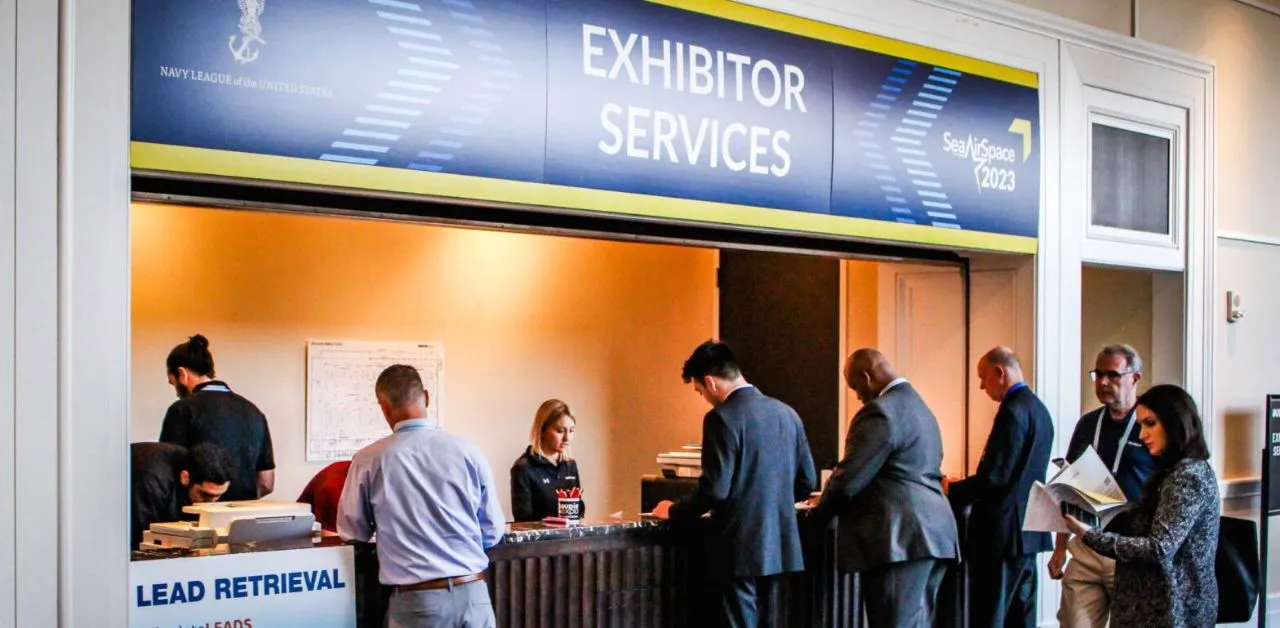
Rejection reasons and fixes at a glance
| Rejection reason | Warning sign | Fix before you apply |
|---|---|---|
| Category mismatch | Your products are not in the show's category list | Read the eligibility rules; apply to the right pavilion or a better-fit show |
| Incomplete application | Blank fields, generic descriptions | Fill every field; match product names to your website |
| Poor photos | Phone shots on cluttered backgrounds | Use clean, well-lit product shots plus one photo of a finished display |
| Missed deadline | Applying after the window opens late | Calendar the open and close dates 9–12 months out |
| Unpaid balance or history | Open invoice, past no-show | Clear balances; explain past issues in writing |
| Booth noncompliance | Tall walls in an in-line booth, unstamped hanging sign | Brief your builder on the show's rules; submit drawings early |
| No COI | Insurance not set up for events | Ask your broker for a COI naming the show and venue |
| Category already full | Section crowded with similar brands | Lead with what makes you different; offer to join a different section |
| Sold out | Floor plan shows few open booths | Join the waitlist; accept any size or location to get in |
How to get accepted to a trade show
Most rejections are avoidable. Treat the application like a sales proposal to a buyer who has to say no to someone.
- Research the show before you apply. Walk it as an attendee if you can, or study the exhibitor list. If your closest competitors exhibit, you probably fit. If no one like you is there, find out why.
- Write for the selection committee. Say who you sell to, what is new, and why attendees will care. Keep it specific. "Shelf-stable, organic snacks for independent grocers" beats "high-quality products."
- Send your best photos. Use a plain background and good light. Include at least one image of your display so the jury can picture you on their floor.
- Clean up your online presence. Reviewers check websites. An outdated site or empty product pages make a borderline application easy to decline.
- Show wholesale readiness. At trade-only shows, have wholesale pricing, minimums and lead times ready. Price points that are too high or too low for the audience are a red flag.
- Apply early. Earlier applications get earlier reviews, better booth picks and time to fix problems.
- Line up insurance and your booth plan now. These are not application items at most shows, but they decide whether you actually get on the floor.
If this is your first show, read our guide on how to exhibit at a trade show for the first time before you apply. It covers budgets, timelines and staffing in more depth.
What to do if your application is rejected or waitlisted
A rejection is rarely final for every future edition. Here is how to respond.
- Ask for feedback, politely and once. Email the exhibit sales or show management contact. Ask what would make a future application stronger. Many shows will not explain, but some will, and the answer is worth having.
- Request reconsideration only with new information. Few shows run formal appeals. If you can fix the stated problem, such as adding certifications, correcting labels or sending better photos, ask whether a revised application can be reviewed.
- Accept the waitlist and stay flexible. Booths open up as exhibitors cancel or downsize. Tell the sales team you will take any size, any location. A 10x10 in a back corner gets you into the show and starts building your priority points.
- Look for alternate ways in. Pavilions, new-exhibitor sections, tabletop areas and co-exhibiting with a distributor can all get you on the floor sooner.
- Reapply in the next cycle. Note when the next application window opens and apply on day one.
Even if you are waitlisted, keep your plan moving. Booth builders on Exhibitorly can sketch options for more than one booth size, so you are ready whatever space opens. Compare trade show booth rental options if you need something fast and flexible.
Trade show application checklist
Use this before you click submit.
- Eligibility rules read; your products fit the show's categories or a specific pavilion
- Every application field complete; signer has authority to bind the company
- Product list, names and claims match your website and packaging
- Certifications, ingredient lists or spec sheets attached if the show reviews products
- Three to five clean product photos plus one display photo
- Website and social profiles current
- Wholesale pricing and terms ready (trade-only shows)
- No open balances with the organizer from past shows
- Application fee and deposit budgeted; refund and cancellation terms read
- Deadlines calendared: application close, deposit, final payment, COI, booth drawings
- Insurance broker briefed on the COI requirement
- Booth size and type chosen, with a builder briefed on the show's height and design rules
Once you are in, the work shifts to the booth itself. Our trade show checklist for exhibitors covers the months before move-in, and what to expect at a trade show walks you through show days. When you are ready for a booth, get 3 free quotes from vetted builders on Exhibitorly through our turnkey trade show services page.
Related guides